


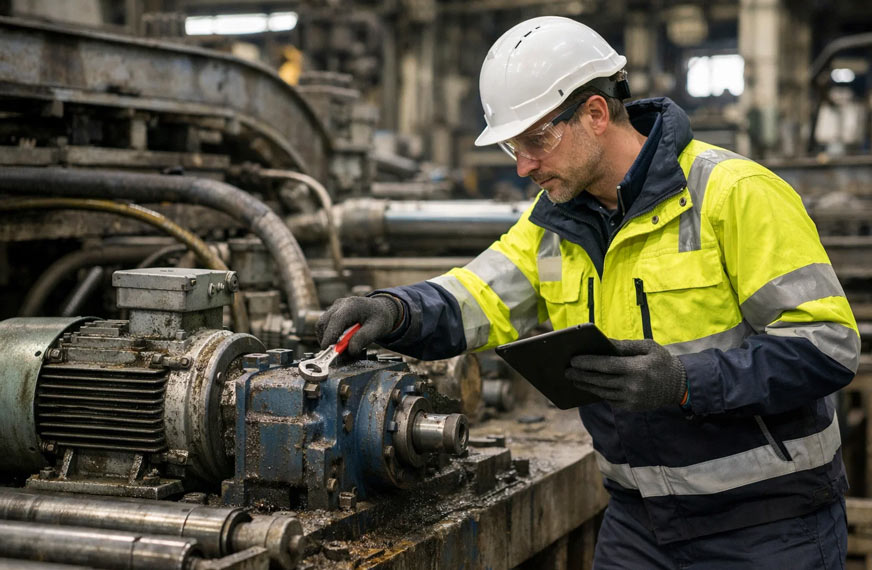
Modern businesses rely on equipment to perform countless tasks efficiently, safely, and consistently. From industrial machinery and construction tools to agricultural equipment, commercial systems, generators, and specialized machines, reliable equipment is essential for maintaining daily operations. When machinery begins to malfunction, productivity can decline quickly, and even a small issue can eventually become a major operational problem. Equipment repair provides an important way to restore damaged machinery, address performance issues, and prevent minor faults from developing into expensive failures. A well-planned maintenance strategy combines timely repairs with regular inspections, proper operation, quality replacement components, and detailed service records. This approach can help organizations maintain dependable equipment while reducing unnecessary downtime and extending the useful life of valuable machinery.
Understanding Equipment Maintenance and Performance
Equipment repair involves identifying problems that affect the operation, safety, efficiency, or reliability of machinery and taking appropriate steps to correct them. Equipment problems can develop gradually through normal wear or appear suddenly because of component failure, improper operation, overloading, environmental conditions, or inadequate maintenance. Operators may notice warning signs such as unusual sounds, excessive vibration, overheating, fluid leaks, reduced output, irregular operation, or increased energy consumption. Recognizing these symptoms early can provide an opportunity to investigate the problem before the machine experiences a complete breakdown. Understanding how equipment normally operates also helps employees identify changes in performance and report potential problems before they become more serious.
Why Timely Repairs Are Important
Delaying equipment repair can allow a relatively small defect to affect additional components. For example, a worn bearing may create increased vibration that places stress on shafts, belts, gears, or other connected parts. A damaged seal can allow fluids to escape and potentially cause contamination or overheating. Electrical problems can also worsen when loose connections, damaged wiring, or faulty components remain in operation. Prompt attention allows technicians to investigate the underlying problem and determine an appropriate solution. Timely repairs can reduce the likelihood of secondary damage, limit operational interruptions, and make maintenance expenses easier to manage. Addressing faults early can also help businesses avoid emergency service situations that may occur at the least convenient time.
Common Causes of Equipment Failure
Machinery can fail for many reasons, and identifying common causes can help businesses develop better maintenance practices. Normal wear is one of the most frequent causes because moving parts gradually deteriorate through repeated operation. Insufficient lubrication can increase friction and heat, while dirty filters may restrict airflow and cause motors or engines to work harder. Overloading machinery beyond its recommended capacity can accelerate wear and shorten component life. Environmental conditions such as dust, moisture, extreme temperatures, and corrosive substances can also affect equipment performance. Operator error, improper installation, poor storage, and neglected maintenance may create additional problems. Understanding why equipment fails is important because replacing a damaged part without addressing the underlying cause may result in another failure.
Diagnosing the Root Cause
Accurate diagnosis is one of the most important stages of equipment repair because the visible symptom is not always the actual source of the problem. A machine that overheats may have a blocked ventilation system, poor lubrication, excessive workload, damaged bearings, electrical issues, or another underlying fault. Similarly, reduced output could result from worn components, incorrect settings, restricted airflow, contamination, or control-system problems. Technicians can use visual inspections, performance testing, diagnostic tools, operating records, and technical documentation to investigate these conditions. A systematic diagnostic process helps avoid unnecessary component replacement and ensures that the actual problem is addressed. Proper diagnosis can also reveal conditions that could cause similar failures in the future.
Mechanical Components and Wear
Mechanical machinery contains many moving parts that experience continuous stress during normal operation. Bearings, gears, belts, chains, shafts, seals, couplings, valves, and fasteners may eventually become worn or damaged. Regular inspections can help identify changes in these components before they fail completely. Signs such as unusual vibration, grinding sounds, overheating, looseness, or reduced movement may indicate that a mechanical component requires attention. Depending on its condition, a part may be adjusted, lubricated, repaired, or replaced. Replacement components should be compatible with the specific machine and suitable for its operating conditions. Correct installation is equally important because poor alignment or improper fitting can cause premature wear and reduce the effectiveness of the repair.
Electrical and Electronic Problems
Many modern machines depend on electrical circuits, motors, sensors, controllers, switches, and computerized systems. Electrical problems can cause equipment to stop unexpectedly, operate inconsistently, or produce warning indicators. Potential issues may include damaged wiring, loose connections, failed sensors, defective switches, overloaded circuits, or malfunctioning control components. Electrical troubleshooting should be approached carefully because energized equipment can present serious hazards. Qualified professionals can use appropriate testing equipment to identify faults and determine whether components need adjustment, repair, or replacement. Regular inspection of electrical systems can also help identify deteriorating connections or other conditions before they lead to equipment shutdowns or more extensive damage.
The Importance of Preventive Maintenance
Preventive maintenance can significantly reduce unexpected equipment failures by addressing wear and developing problems before they become serious. Maintenance schedules may include cleaning, lubrication, filter replacement, fluid checks, tightening connections, belt inspections, safety testing, and examination of moving components. The appropriate frequency depends on equipment type, operating hours, workload, environmental conditions, and manufacturer recommendations. Preventive maintenance should be based on actual operating requirements rather than a one-size-fits-all schedule. Regular service also gives technicians an opportunity to identify components that may soon require replacement. By maintaining machinery consistently, businesses can reduce emergency breakdowns and make service activities easier to schedule around normal operations.
Reducing Operational Downtime
Unexpected machinery failures can interrupt production, delay projects, affect employees, and create problems for customers. Equipment repair can help restore operations, but businesses can further reduce downtime by preparing for potential failures in advance. Critical equipment should be identified so that maintenance resources can be prioritized appropriately. Frequently needed replacement components can sometimes be kept in inventory, while service records can provide technicians with useful information about previous problems. Businesses may also establish backup procedures for essential operations when practical. A combination of preventive maintenance, efficient troubleshooting, available parts, and clear repair procedures can reduce the amount of time equipment remains unavailable and help organizations recover more quickly when failures occur.
Repair or Replace the Equipment
Not every machine should be repaired indefinitely, especially when it has reached the later stages of its service life. Owners should consider the equipment’s age, repair history, operating efficiency, availability of replacement parts, frequency of failures, and expected future performance. Equipment repair may be an economical choice when a machine has a limited fault and most of its components remain in good condition. However, repeated breakdowns and increasing maintenance expenses may indicate that replacement deserves consideration. New equipment may provide improved efficiency, automation, safety features, or productivity. A careful comparison of repair costs, replacement costs, expected service life, and operating expenses can help businesses make more informed equipment-management decisions.
Selecting Quality Replacement Parts
The quality of replacement components can have a significant effect on the reliability of repaired machinery. Using incompatible or poorly manufactured parts may lead to premature failure and additional service expenses. Replacement components should meet the technical specifications required by the equipment and be appropriate for the operating environment. Manufacturers’ documentation can provide useful information about dimensions, materials, performance ratings, and compatibility. Proper installation is also essential because even a high-quality component may fail prematurely if it is incorrectly fitted, aligned, adjusted, or lubricated. Maintaining records of replaced components can help technicians understand the service history of a machine and make future troubleshooting more efficient.
Safety During Maintenance and Repairs
Safety must remain a priority whenever machinery is inspected, serviced, or repaired. Equipment can contain moving parts, electrical energy, pressurized fluids, hot surfaces, sharp edges, stored energy, or other hazards. Before work begins, appropriate shutdown and isolation procedures should be followed to prevent accidental operation. Workers should understand the specific risks associated with the equipment and use suitable protective equipment when required. Repair areas should be kept organized so tools, parts, and debris do not create additional hazards. After work is completed, the equipment should be inspected and tested carefully before being returned to normal operation. Safe procedures protect workers while also helping prevent further damage to the machine.
Training Equipment Operators
Operators have an important role in maintaining machinery because they interact with equipment throughout its daily operating life. Proper training can reduce mistakes that contribute to premature wear or damage. Employees should understand operating limits, recommended procedures, warning indicators, basic inspection requirements, and situations that require immediate shutdown. They should also know how to identify unusual noises, leaks, vibration, overheating, or changes in performance. Prompt reporting allows maintenance personnel to investigate problems before they become major failures. Operator training should be refreshed when new equipment is introduced, procedures change, or employees take on different responsibilities. Good communication between operators and maintenance teams can significantly improve overall equipment reliability.
Keeping Accurate Maintenance Records
Detailed maintenance records provide valuable information about the condition and history of machinery. Records can include inspection dates, reported problems, completed repairs, replaced components, operating hours, and recurring faults. This information can help technicians identify patterns and determine whether a repeated failure has an underlying cause. For example, frequent replacement of the same component may indicate alignment issues, excessive loads, improper installation, or another problem that needs to be investigated. Maintenance records also help managers plan budgets and future service schedules. Keeping accurate documentation ensures that technicians have access to useful historical information when diagnosing problems and planning additional maintenance.
Professional Repair Services
Complex equipment often requires specialized knowledge, tools, and diagnostic equipment. Professional technicians can evaluate machinery systematically and determine whether a component should be adjusted, repaired, or replaced. Equipment repair performed by qualified professionals can also help ensure that technical specifications, safety procedures, and manufacturer recommendations are followed. Professional assistance is particularly useful when machinery involves advanced electrical controls, hydraulic systems, computerized components, specialized engines, or safety-critical mechanisms. Attempting complicated repairs without appropriate knowledge can cause additional damage or create unnecessary risks. Experienced technicians can provide a structured approach to diagnosis and service while helping businesses return important machinery to dependable operation.
Improving Equipment Efficiency
Maintenance and repair can influence more than basic functionality; they can also affect operating efficiency. Equipment that has worn components, restricted airflow, poor lubrication, or malfunctioning controls may consume more energy while delivering reduced output. Addressing these problems can improve performance and reduce unnecessary operating costs. Regular cleaning, proper lubrication, correct alignment, and timely replacement of worn parts can help equipment operate closer to its intended performance level. Energy efficiency should therefore be considered as part of a broader maintenance strategy. When businesses evaluate equipment performance regularly, they may identify opportunities to improve productivity while reducing unnecessary energy consumption and operating expenses.
Planning for Long-Term Reliability
Equipment management should be viewed as a long-term process rather than a series of emergency responses. Businesses can create maintenance plans based on equipment age, operating hours, service history, performance, workload, and expected replacement requirements. Equipment repair should form part of this larger strategy so that individual repairs support broader operational goals. Managers can identify critical machines, establish inspection intervals, maintain essential spare parts, and allocate budgets for major service requirements. Long-term planning makes it easier to anticipate equipment needs and reduces dependence on emergency repairs. It also helps businesses determine when continued investment in older machinery is no longer practical and when upgrading may provide greater value.
Final Thoughts
Reliable equipment is essential for maintaining productivity, safety, and consistent operations across many industries. Equipment repair provides an important method for addressing mechanical, electrical, and operational problems while helping organizations extend the useful life of valuable machinery. Timely diagnosis, preventive maintenance, quality replacement parts, operator training, safety procedures, and accurate service records all contribute to dependable performance. Businesses can further reduce downtime by planning maintenance carefully, monitoring equipment condition, and evaluating repair costs against long-term replacement needs. When equipment is maintained proactively instead of being serviced only after a breakdown occurs, organizations can control costs more effectively, reduce interruptions, improve safety, and maintain reliable performance over the long term.

