


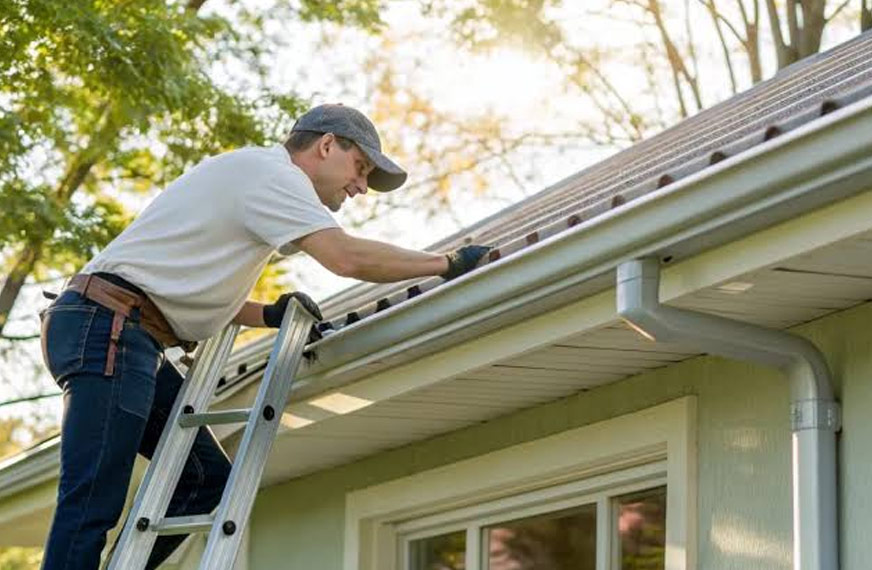
A dependable gutter system is an important part of protecting a property’s exterior from uncontrolled rainwater. Although gutters may appear to be simple channels attached along the edge of a roof, they perform an essential job by collecting runoff and directing it toward downspouts and suitable discharge areas. When leaves, twigs, pine needles, roof debris, and other materials enter the channels, they can gradually restrict water movement and create additional maintenance requirements. Over time, neglected debris can contribute to overflowing water, blocked downspouts, and moisture reaching areas where it should not. For property owners who want to reduce the amount of debris entering their gutters while supporting reliable drainage, gutter guard installation can provide a practical addition to an existing gutter system. The effectiveness of this improvement depends on choosing an appropriate product, preparing the gutters correctly, and ensuring that the protection is professionally fitted.
Why Gutter Protection Deserves Attention
Gutters are continuously exposed to outdoor conditions, which means they naturally collect materials from the surrounding environment. During windy weather, leaves and small branches can land directly inside the channels, while rain can wash roof particles and other debris toward the gutter openings. When enough material accumulates, the available space for water becomes smaller, and the system may struggle to handle heavy rainfall efficiently. Regular cleaning can remove this material, but homeowners with extensive rooflines or properties surrounded by trees may find frequent gutter maintenance inconvenient and time-consuming.A gutter protection system creates a barrier between the roof runoff and much of the larger debris that would otherwise enter the channel. Depending on the design, the system can allow rainwater to pass through while helping keep leaves and larger particles out. This does not mean that the gutter system becomes completely maintenance-free, because small particles can still accumulate on the protective surface. Instead, the primary benefit is reducing the quantity of debris that reaches the inside of the gutter, making ongoing maintenance easier to manage.
How Debris Affects Gutter Performance
The performance of a gutter depends on having enough unobstructed space for rainwater to travel toward the downspouts. When organic debris begins accumulating inside the channel, water may move more slowly or encounter blockages. During moderate rainfall, the restriction might not be immediately noticeable, but heavier storms can expose weaknesses in a partially blocked system. Water may begin spilling over the edge rather than following its intended route.Debris can also become heavier when it absorbs water. Wet leaves and organic material may compact together and form dense layers that are more difficult to remove. If this material remains in place for long periods, it can make routine cleaning more demanding and potentially contribute to conditions that affect gutter components. Keeping the drainage path reasonably clear is therefore an important part of protecting the overall system, and gutter protection can help reduce the amount of material entering the channel in the first place.
Selecting a Suitable Gutter Guard Design
There is no single gutter guard design that is automatically suitable for every property. Different products are manufactured to address different debris conditions and gutter configurations. Some use mesh materials to filter leaves and smaller particles, while others rely on perforated or covered surfaces that encourage water to enter while directing larger debris away from the opening. The surrounding environment should be considered before selecting a system because the type and amount of debris can influence how well a particular design performs.The existing gutter condition is equally important. A gutter system with loose sections, damaged seams, poor alignment, or sagging areas may require repairs before protection is installed. Installing a cover over an already compromised system does not eliminate the underlying problem. A professional assessment can determine whether the gutters are structurally suitable for protection and whether adjustments are needed before installation. This creates a stronger foundation for the new system and helps prevent avoidable performance issues.
Preparing the Gutter System Properly
Preparation is one of the most important parts of any gutter protection project. Existing gutters should be inspected and cleared of leaves, sediment, roof debris, and other accumulated materials before a protective system is added. If debris is left inside the channels, it may become difficult to access after the guard has been installed. Starting with a clean gutter gives the drainage system the best opportunity to function properly from the beginning.The preparation process should also include checking downspouts and connections. A gutter may appear clean while the connected downspout remains restricted. Since the entire system depends on water moving from the roofline through the gutter and down the discharge path, every section should be considered. Identifying problems before installation allows necessary repairs or cleaning to be completed rather than hiding existing issues beneath a new protective component.
The Role of Proper Installation
The quality of installation can have a significant effect on how well a gutter protection system performs. Even a well-designed product may not provide the expected results if it is installed with gaps, incorrect overlaps, weak attachments, or poor alignment. The protective surface needs to remain securely positioned while allowing rainwater to enter the gutter efficiently. Corners, joints, roof valleys, and other transition areas may require particular attention because debris and water can behave differently in these locations.Professional installation also provides an opportunity to evaluate how the protection interacts with the existing roof and gutter system. The installer can account for the shape of the gutter, roof pitch, attachment points, and areas where modifications may be necessary. A careful installation process helps create a more consistent finished system and reduces the likelihood of premature movement or performance problems.
Reducing the Burden of Seasonal Cleaning
One of the main reasons property owners consider gutter guard installation is to reduce the amount of debris that enters the gutters. Traditional open gutters can require repeated cleaning, particularly during periods when trees shed large quantities of leaves. Removing this debris from the inside of the gutter can be a repetitive maintenance task, and accessing elevated roof edges may also create unnecessary safety concerns for homeowners who do not have suitable equipment or experience.Gutter protection can reduce the amount of larger debris that reaches the channel, potentially making seasonal maintenance less demanding. However, it is important to maintain realistic expectations. Fine particles, pollen, roof granules, and small organic material can still accumulate on or around the guard. Occasional inspection remains important because the protective surface itself may need cleaning. The difference is that maintenance generally focuses on keeping the protective system functional rather than repeatedly removing large quantities of material from deep inside the gutter.
Supporting Consistent Water Movement
A gutter system must be able to collect and transport rainwater efficiently during changing weather conditions. When debris blocks the channel, water can be forced over the edge or redirected toward areas that are not designed to handle concentrated runoff. This can create unnecessary moisture around exterior surfaces and landscaping. Maintaining a clear drainage route is therefore important for the overall performance of the property.Gutter protection can contribute to this objective by limiting the amount of large debris entering the channel. However, the guard should always be considered alongside the condition of the gutters and downspouts. A protective cover cannot compensate for a collapsed gutter, severely damaged section, improperly positioned downspout, or inadequate drainage arrangement. These issues should be addressed as part of a complete evaluation so that each component contributes to the same water-management goal.
Protecting the Exterior From Uncontrolled Runoff
Rainwater that is not properly collected can affect more than the gutter itself. Repeated runoff against exterior surfaces can contribute to staining, erosion around landscaping, and excessive moisture near the lower portions of a building. While gutter protection does not independently solve every drainage concern, it can support the collection stage of the system by helping keep the channels usable.The effectiveness of the overall drainage arrangement depends on what happens after water leaves the roof. Downspouts should remain clear and securely connected, while discharge points should direct water away appropriately. Extensions or other drainage solutions may sometimes be necessary depending on the property’s layout. Looking at the complete route of the water provides a more effective approach than focusing exclusively on the gutter guard.
When Existing Gutters Need Repairs
Before installing any protection system, homeowners should consider whether their existing gutters are still in suitable condition. Sagging sections, visible cracks, separated joints, rusted areas, loose fasteners, or sections pulling away from the roofline may indicate that repairs are needed. A gutter protection product should not be used to conceal these problems because structural weaknesses can continue to affect drainage performance after installation.Professional inspection can help determine whether repair, replacement, or protection is the most appropriate next step. In some situations, a relatively minor correction may restore proper alignment and allow protection to be installed successfully. In other cases, the gutter system may have reached a point where replacement is more practical. Addressing these conditions first helps ensure that the investment in gutter protection contributes to a functioning drainage system rather than simply covering an existing problem.
Maintaining the Protection After Installation
Gutter guards can reduce maintenance, but they do not remove the need for periodic inspection. Different seasons introduce different types of debris, and weather conditions can change how material accumulates on the roof and around the gutter edge. Checking the system periodically can reveal whether leaves are building up on top, whether sections have shifted, or whether water is moving as expected during rainfall.Maintenance requirements can vary according to the guard design and surrounding conditions. A property with heavy tree coverage may require more frequent inspection than one with very little vegetation. Likewise, fine roof particles may collect on certain types of protective surfaces. Keeping the guard reasonably clean helps preserve water entry and allows homeowners to identify small issues before they become more difficult to correct.
Signs That a Gutter System Needs Inspection
Property owners should pay attention to visible signs that may indicate drainage problems. Water overflowing from the gutter during rainfall, persistent staining beneath the roofline, sagging channels, visible plant growth, or water collecting near the building can all justify an inspection. These symptoms do not automatically mean that the gutter guard is failing, because they may originate from problems elsewhere in the system.Downspout restrictions, incorrect gutter pitch, damaged sections, or excessive debris on top of the protective surface can all affect performance. Identifying the exact cause is important because the correct solution depends on the nature of the problem. Professional evaluation can help separate routine maintenance requirements from conditions that require repair or adjustment.
Combining Gutter Protection With Exterior Care
Gutters form part of a larger exterior system that includes roofing, fascia, siding, drainage components, and other elements exposed to weather. Because these components interact with one another, maintenance decisions should take the condition of the surrounding exterior into account. For example, a gutter attached to deteriorated fascia may require attention to the supporting structure before additional components are installed.A coordinated maintenance approach can make it easier to identify related concerns and prioritize necessary work. When gutter protection is considered alongside roof and exterior maintenance, homeowners can better understand how water moves across the property and where improvements may provide the greatest practical benefit. This approach can also help prevent one improvement from being installed over another unresolved issue.
Long-Term Benefits of Better Gutter Management
Effective gutter management is primarily about consistency. A drainage system should be able to collect roof runoff, transport it toward the downspouts, and discharge it appropriately without repeated blockages interfering with the process. Reducing the amount of debris entering the channels can make this responsibility easier to manage and may reduce the frequency of intensive cleaning.The long-term value of gutter protection also comes from making inspection and maintenance more manageable. When larger debris is kept out of the channel, homeowners and professionals can more easily monitor the condition of the gutter itself. This creates additional opportunities to identify loose fasteners, damaged joints, or other developing issues before they become major concerns. Regular maintenance combined with suitable protection can therefore support a more dependable exterior drainage strategy.
Making the Right Maintenance Decision
Every gutter system has different requirements, so the decision to install gutter protection should be based on the property’s actual conditions. The amount of surrounding vegetation, roof configuration, gutter design, existing damage, typical debris, and maintenance requirements can all influence the appropriate solution. A professional assessment provides an opportunity to examine these factors rather than choosing a product without understanding how it will interact with the existing system.
The objective should be to create a balanced solution that supports water flow while reducing unnecessary debris accumulation. A quality product, proper preparation, professional installation, and reasonable maintenance expectations can work together to improve the usefulness of the gutter system. Rather than viewing protection as a replacement for maintenance, homeowners can treat it as a practical improvement that makes responsible gutter care easier.
Conclusion
A properly maintained gutter system is an important part of managing roof runoff and protecting the surrounding exterior. Leaves, twigs, sediment, and other debris can interfere with water movement, making regular maintenance necessary and potentially creating drainage concerns when blockages are ignored. A suitable gutter protection system can help reduce the amount of larger debris entering the channels while making routine care more manageable.For homeowners considering gutter guard installation, the process should begin with an evaluation of the existing gutters, downspouts, roofline, and supporting exterior components. Cleaning and repairing the system before installation, selecting an appropriate guard design, and ensuring professional fitting can all contribute to better long-term performance. With appropriate maintenance after installation, gutter protection can become a useful part of a broader exterior maintenance plan designed to keep rainwater moving where it belongs and help the gutter system perform reliably over time.

