


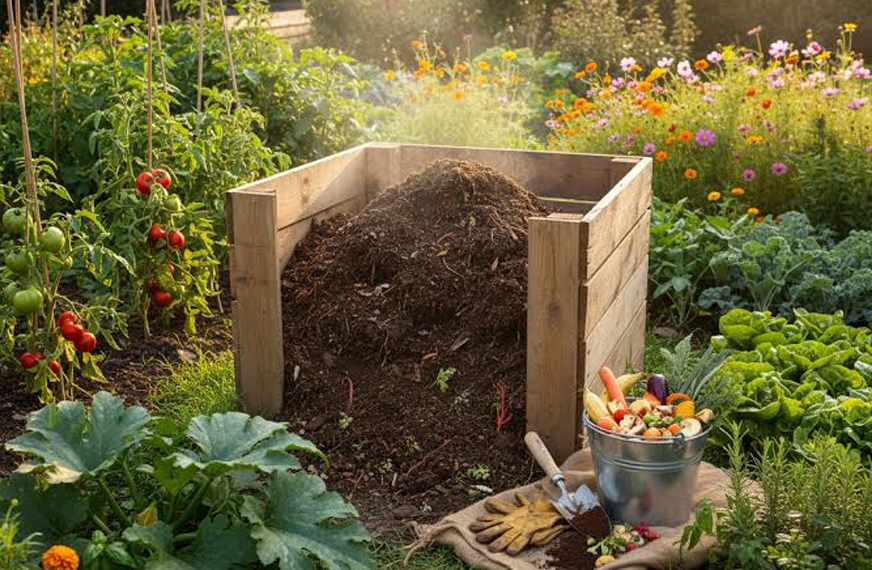
Healthy soil is the foundation of successful gardening, and one of the simplest ways to improve soil quality is by returning organic matter to it. Compost provides a natural source of organic material that can improve soil structure, support beneficial organisms, and help plants access moisture and nutrients more effectively. Composting also offers a practical way to make use of many everyday biodegradable materials instead of sending them directly to the waste stream. Fruit and vegetable scraps, fallen leaves, grass clippings, and suitable paper products can gradually transform into a dark, crumbly material when the right conditions are maintained. With a basic understanding of how decomposition works, almost anyone can create a useful compost system without complicated equipment or extensive gardening experience.
Understanding the Composting Process
Compost is created through the natural decomposition of organic materials by microorganisms, fungi, insects, and other decomposers. These organisms break down plant-based materials and gradually transform them into a stable organic substance that can be returned to the soil. Composting works best when the pile has an appropriate combination of carbon-rich materials, nitrogen-rich materials, moisture, and oxygen. Dry leaves, shredded cardboard, and other dry plant materials generally contribute carbon, while fresh grass clippings, fruit scraps, and vegetable waste provide more nitrogen. The microorganisms responsible for decomposition need a suitable environment to remain active, so balance is more important than simply adding as much waste as possible. Understanding these basic principles makes it easier to create and maintain a productive compost pile.
Choosing Suitable Organic Materials
The quality of finished compost depends largely on the materials placed into the system. Common suitable materials include vegetable trimmings, fruit peels, coffee grounds, tea leaves, grass clippings, fallen leaves, untreated paper, and small amounts of other plant-based organic matter. Larger pieces of food or plant material may take longer to decompose, so cutting or breaking them into smaller pieces can help speed up the process. A mixture of different materials usually creates better conditions than a pile dominated by one type of waste. Composting becomes easier when organic materials are separated from unsuitable household waste before they reach the compost bin. Developing a simple habit of identifying useful materials can gradually increase the amount of organic matter that is recycled through the system.
Balancing Green and Brown Materials
A healthy compost pile benefits from a combination of green and brown materials because each contributes different characteristics to the decomposition process. Green materials are generally richer in nitrogen and include items such as fresh grass clippings, vegetable scraps, and many fresh plant materials. Brown materials are generally richer in carbon and include dry leaves, straw, shredded paper, and untreated cardboard. Too much green material can result in a wet, compacted pile that may develop unpleasant odors, while excessive brown material can slow decomposition because microorganisms may not have enough nitrogen available. There is no need to measure every ingredient precisely, but maintaining a varied mixture is helpful. Adding dry materials when the pile becomes too wet, or fresh green materials when it becomes too dry and slow, can help maintain better decomposition conditions.
Managing Moisture Properly
Moisture is essential for microbial activity, but compost should not become soaked or waterlogged. A pile that is too dry may decompose very slowly because microorganisms cannot remain sufficiently active, while excessive moisture can reduce air circulation and encourage unpleasant anaerobic conditions. The material should generally contain enough moisture to support decomposition without becoming saturated. If the pile appears extremely dry, a moderate amount of water can be added while mixing the materials. If it is too wet, dry leaves, shredded cardboard, straw, or another suitable brown material can help absorb excess moisture. Composting requires occasional observation because weather, the types of materials added, and the location of the pile can all influence moisture levels. Small adjustments are usually easier than trying to correct a severely unbalanced pile later.
Providing Adequate Airflow
Oxygen is another important requirement for aerobic decomposition. When organic materials become tightly packed, air cannot move easily through the pile, which can slow the process and create unpleasant smells. Turning the pile periodically helps introduce fresh air and distributes materials more evenly. A garden fork, compost aerator, or similar tool can be used depending on the size and design of the system. Turning can also move material from the outer edges toward the center, allowing less-decomposed material to experience warmer and more active conditions. Composting is generally more efficient when there is enough space between materials for oxygen to circulate. Regularly checking whether the pile is overly compacted can help maintain suitable airflow and support the microorganisms responsible for decomposition.
Selecting a Composting System
Different composting systems can be used depending on available space, household habits, and the quantity of organic material produced. An outdoor pile can accommodate a large amount of garden waste, while an enclosed bin can provide a neater and more controlled setup. Compost tumblers are designed to make turning easier, and worm-based systems can process certain food scraps using specialized decomposing organisms. Some systems require more attention than others, but all depend on suitable materials and basic environmental conditions. The most effective system is often the one that fits naturally into the user’s routine and is easy to maintain. Composting does not have to involve expensive equipment, and a simple setup can produce useful results when the fundamental needs of the decomposition process are met.
Knowing What Not to Add
One of the most important aspects of maintaining a healthy compost system is knowing which materials should be excluded. Meat, fish, bones, dairy products, oils, and greasy foods may attract unwanted animals or create odors in many household compost systems. Pet waste can contain pathogens and should generally not be added to compost intended for food gardens unless a specialized process is being followed. Diseased plants may also require caution because some pathogens can survive if the compost does not reach suitable temperatures for an adequate period. Materials containing harmful chemicals or contaminants should not be casually added. Composting works best when the input materials are carefully selected, allowing the finished product to remain suitable for its intended use.
Recycling Kitchen Scraps
Kitchen waste can provide a steady supply of nitrogen-rich material for a compost system. Vegetable peelings, fruit scraps, coffee grounds, tea leaves, and other suitable plant-based leftovers can often be collected separately from general household waste. Keeping a small container in the kitchen can make this process convenient and encourage consistent participation. Larger scraps can be chopped into smaller pieces before being added, helping microorganisms reach more surface area and potentially speeding decomposition. Combining wet kitchen scraps with dry leaves or shredded cardboard can help maintain a balanced mixture. Composting kitchen waste also encourages households to think more carefully about food waste and identify materials that can be reused instead of automatically throwing everything into the garbage.
Using Garden Waste Effectively
Garden maintenance can produce a significant amount of organic material that can be useful in a compost system. Fallen leaves, small plant trimmings, grass clippings, and other suitable garden debris can provide valuable carbon and nitrogen sources. Leaves are particularly useful because they can be collected and stored for periods when fewer dry materials are available. Shredding or mowing over leaves can make them smaller and easier to mix with other materials. Fresh grass clippings should generally be added in moderate layers because thick layers can become compacted and restrict airflow. Composting garden waste turns material produced by routine outdoor maintenance into an organic resource that can eventually be returned to the soil instead of being treated as disposable waste.
Recognizing When Compost Is Ready
Finished compost has a different appearance, texture, and smell from the original materials that were added to the pile. Mature compost is generally dark, crumbly, and earthy smelling, with most recognizable food scraps and plant materials no longer visible. The time required to reach this stage can vary considerably depending on temperature, moisture, oxygen, material size, pile volume, and how often the pile is turned. A compost pile that still contains many recognizable pieces may simply need more time rather than additional treatment. Patience is an important part of the process because allowing organic material to decompose fully helps produce a more stable and useful soil amendment. Regular observation can help gardeners determine when the material has reached a suitable stage for use.
Using Finished Compost
Once compost has matured, it can be incorporated into garden soil or used around suitable plants as an organic amendment. It can help improve soil structure, increase organic matter, and support better moisture management. Sandy soils may benefit from the improved ability to hold moisture, while some heavier soils can benefit from additional organic matter that contributes to better structure. Compost also provides nutrients, although the amount and balance of nutrients can vary depending on the materials used to create it. It should therefore be viewed as an important soil amendment rather than automatically assuming it replaces every fertilizer requirement. Composting becomes especially rewarding when finished material is returned to the garden, completing a natural cycle in which organic waste becomes a resource for future plant growth.
Supporting Healthy Soil Biology
Soil is home to a complex community of microorganisms and other organisms that contribute to decomposition and nutrient cycling. Adding mature compost introduces additional organic matter that can support biological activity and create a more favorable environment for many beneficial organisms. Earthworms, fungi, bacteria, and other soil life contribute to the natural processes through which organic materials are broken down and nutrients become part of the soil system. Healthy biological activity can contribute to better soil structure and nutrient cycling over time. Composting therefore provides benefits beyond the nutrients contained in the finished material. By regularly returning suitable organic matter to the soil, gardeners can help maintain a more active and naturally functioning growing environment.
Avoiding Common Compost Problems
Compost problems usually occur when one or more conditions become significantly unbalanced. A strong unpleasant smell may indicate excessive moisture, poor airflow, or too much nitrogen-rich material, while slow decomposition may result from insufficient moisture, limited oxygen, low temperatures, or an unsuitable material mixture. Large amounts of one type of material can also create dense layers that decompose poorly. Most of these problems can be addressed by making gradual adjustments rather than completely rebuilding the system. Adding dry materials, turning the pile, adjusting moisture, or introducing a more varied mixture can often restore better conditions. Composting becomes easier with experience because gardeners gradually learn how different materials affect moisture, temperature, airflow, and decomposition speed.
Maintaining a Simple Routine
A compost system does not need constant attention, but consistent habits can make it much more successful. Kitchen scraps can be collected throughout the week and transferred to the compost system regularly, while dry leaves can be stored for use whenever additional brown material is needed. Garden waste can be added as it becomes available, provided that unsuitable materials are removed first. The pile can be checked occasionally for moisture and airflow, with turning performed when necessary to redistribute materials. Composting is most sustainable when it becomes part of normal household and gardening routines rather than a complicated project that requires excessive daily effort. A simple system that is maintained consistently can produce valuable results over time.
Reducing Organic Household Waste
A significant amount of household waste can consist of biodegradable materials such as food scraps, leaves, and plant trimmings. Diverting suitable materials into a compost system can reduce the volume of organic waste sent to conventional disposal facilities. Instead of losing these materials after a single use, households can transform them into a resource that benefits soil and plants. This approach also encourages greater awareness of waste generation and resource use. Composting provides an opportunity to connect everyday household habits with gardening and soil improvement. Even a small amount of compost produced regularly can become useful when accumulated over time and applied appropriately to growing areas.
Building a Sustainable Gardening Habit
Sustainable gardening often involves finding ways to use resources efficiently while reducing unnecessary waste. Compost can fit naturally into this approach because it allows organic materials to remain part of a productive biological cycle. Gardeners can combine compost use with practices such as conserving water, protecting soil from erosion, selecting suitable plants, and reducing unnecessary chemical applications. The goal is not to eliminate every purchased gardening product but to make better use of materials that are already available. Composting supports this philosophy by turning biodegradable waste into something that can improve the growing environment. Over time, these small habits can contribute to healthier soil and make gardening more resource-conscious and efficient.
Final Thoughts
Creating rich compost is a straightforward process when the basic requirements of decomposition are understood and maintained. A balanced combination of green and brown materials, suitable moisture, adequate airflow, and sufficient time allows microorganisms to transform organic waste into a valuable soil amendment. Choosing appropriate materials and avoiding problematic additions can help keep the system clean, manageable, and productive. Finished compost can improve soil structure, support beneficial biological activity, and provide organic matter that contributes to healthier plant growth. With regular composting habits, households can reduce suitable organic waste while creating a useful resource for gardens. The process may take patience, but the long-term benefits make it a practical and rewarding addition to a sustainable gardening routine.

