


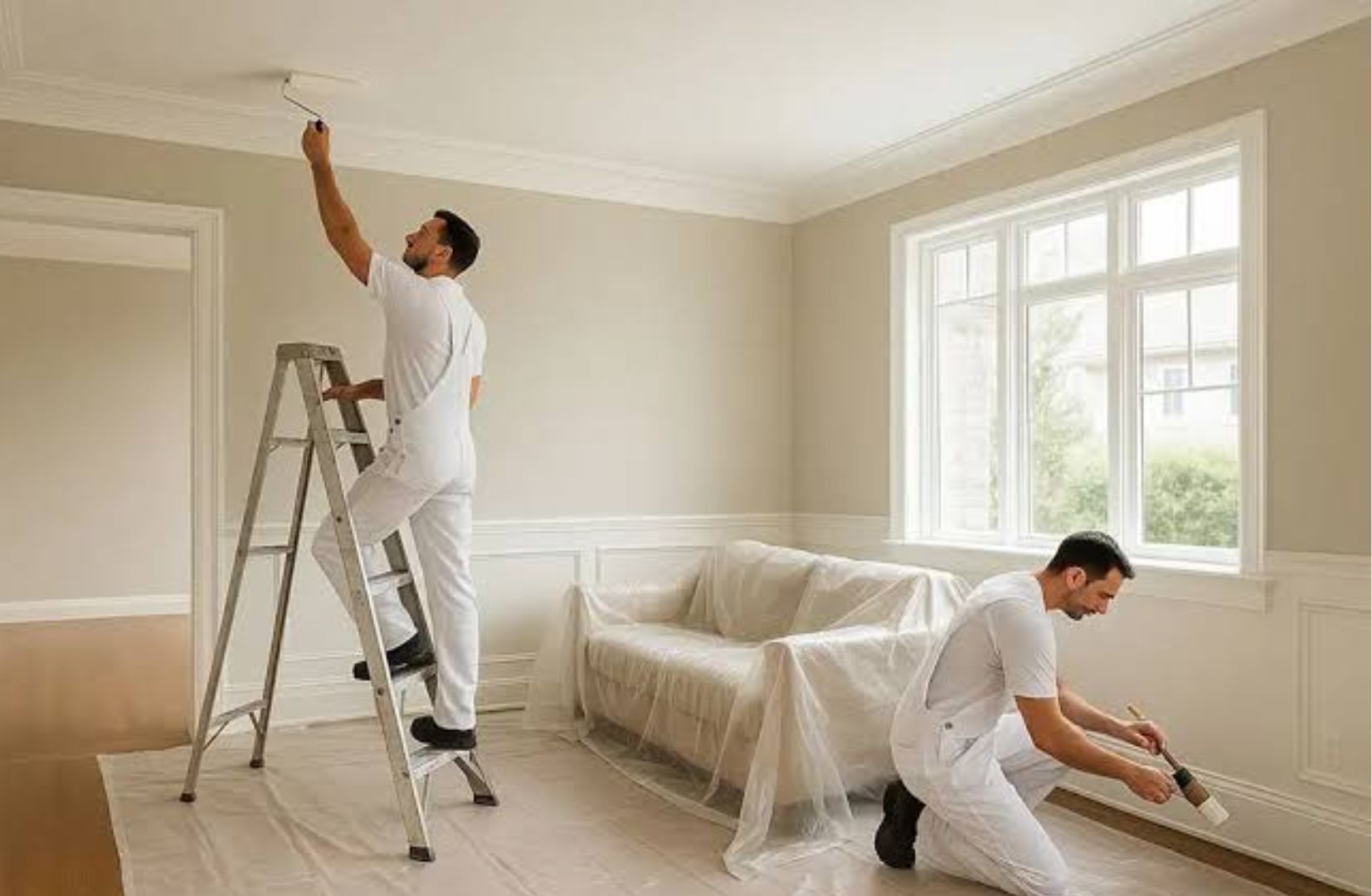
A fresh coat of paint can make an enormous difference to the appearance, atmosphere, and overall condition of a home. Paint is one of the most visible elements of an interior or exterior space, which means faded colors, peeling surfaces, stains, cracks, and uneven finishes can make an otherwise well-maintained property appear tired. On the other hand, carefully selected colors and professionally applied coatings can create a cleaner, brighter, and more welcoming environment. Painting is therefore more than a simple decorative task. It can be an important part of maintaining a property while improving its visual appeal.
Many homeowners initially consider painting a straightforward do-it-yourself project, but achieving a smooth, durable, professional-looking finish involves much more than applying paint to a wall. Surface preparation, product selection, equipment, application techniques, drying conditions, and attention to detail can all influence the final result. A professional painter understands how these factors work together and can identify problems that may need to be addressed before the first coat is applied. Whether the project involves a single room, multiple interior spaces, exterior surfaces, or an entire property, careful planning can make the process more efficient and produce better long-term results.
Understanding the Importance of Proper Painting
Paint serves several purposes beyond changing the color of a surface. Interior paint can help create a particular mood, make rooms appear more spacious, define different areas, and coordinate architectural features. Exterior paint can contribute to curb appeal while helping protect appropriate surfaces from weather exposure and general wear. The quality of the application can also influence how long the finish remains attractive.
Poorly prepared surfaces can cause new paint to peel, crack, blister, or develop visible imperfections. Applying a high-quality coating over dirt, grease, loose paint, or moisture-damaged material does not solve the underlying problem. In many cases, preparation is one of the most important stages of a successful painting project because it establishes the surface on which the new coating will adhere.
A professional House Painter typically evaluates the existing condition before beginning work. This assessment can identify areas that require cleaning, sanding, patching, caulking, priming, or other preparation. Addressing these issues first can help create a more uniform finish and reduce the likelihood of premature deterioration.
Choosing the Right Paint for the Project
Not all paint products are designed for the same applications. Interior walls, ceilings, trim, doors, kitchens, bathrooms, and exterior surfaces may require different types of coatings. Paint also varies in sheen, durability, washability, coverage, drying time, and resistance to moisture or weather.
The choice of sheen can have a noticeable effect on both appearance and maintenance. Flat finishes can provide a soft appearance and may help conceal minor surface imperfections, while eggshell or satin finishes can offer greater washability and a subtle amount of reflectivity. Semi-gloss and gloss finishes are often used for surfaces that benefit from greater durability and easier cleaning.
Exterior coatings must be selected according to the material being painted and the environmental exposure. Wood, masonry, metal, and other surfaces can have different preparation and coating requirements. Using the correct product for each surface can help improve adhesion and long-term performance.
Homeowners should also consider the existing paint and surface condition before selecting a new product. In some cases, a primer may be necessary to improve adhesion, cover stains, or create a consistent base for the finish coats.
Preparing Interior Surfaces
Surface preparation is one of the most important steps in interior painting. Walls and ceilings can accumulate dust, grease, fingerprints, smoke residue, and other contaminants over time. These substances can interfere with paint adhesion if they are not properly removed.
Small holes and cracks should generally be repaired before painting. Larger imperfections may require more extensive patching or surface treatment. Sanding can help smooth repaired areas and remove loose or uneven material, while caulking can improve the appearance of gaps around trim and other transitions.
Furniture and belongings should also be protected before work begins. Professional painters commonly use drop cloths, protective coverings, masking materials, and other measures to reduce the risk of paint getting onto floors, fixtures, windows, or furnishings.
Preparation may take considerable time, but rushing this stage can make imperfections more visible after the final coat is applied. A smooth finished surface begins with a properly prepared substrate.
Preparing Exterior Surfaces
Exterior painting presents different challenges because outdoor surfaces are exposed to sunlight, rain, wind, temperature changes, moisture, and other environmental conditions. Before painting, surfaces should be evaluated for peeling paint, dirt, mildew, cracks, damaged caulking, and other conditions that could affect the new coating.
Cleaning can be particularly important for exterior work. Dirt and organic buildup can prevent paint from adhering properly. In some situations, pressure washing or other cleaning methods may be appropriate, although the technique should be selected carefully according to the surface material.
Wood surfaces may require special attention if there are signs of deterioration. Painting over damaged or moisture-affected wood without addressing the underlying condition can lead to continued problems. Similarly, cracks and gaps may need to be sealed before finishing work begins.
Weather conditions also matter. Paint manufacturers provide recommended temperature and environmental conditions for application, and these recommendations should be followed to achieve the intended performance.
Selecting Colors That Work With the Space
Color selection is one of the most noticeable decisions in any painting project. The right color can change how a room feels and can influence the perceived size, brightness, and character of the space.
Light colors often help create a brighter or more open appearance, while darker colors can provide depth and visual contrast. Neutral colors can offer flexibility and coordinate with many types of furniture and finishes, whereas stronger colors can create distinctive focal points.
Natural light should be considered before finalizing a color. A shade that looks warm in one room may appear cooler in another depending on the amount and direction of daylight. Artificial lighting can also affect how paint appears at different times of the day.
It can be helpful to test paint samples on the actual surface rather than relying exclusively on small printed color cards. Viewing the sample under different lighting conditions can provide a more accurate impression of the finished result.
Creating a Consistent Interior Design
Painting can be used to create visual connections between different rooms. A consistent color palette can help a home feel cohesive, while carefully selected accent colors can distinguish specific spaces without making the overall design feel disconnected.
Trim, doors, ceilings, and walls do not necessarily need to use identical colors. Subtle differences can emphasize architectural details and create depth. For example, a slightly different trim color may help highlight doors, windows, molding, or other features.
The existing flooring, cabinetry, countertops, furniture, and decorative elements should also be considered. Paint does not exist in isolation, so the selected color should work with the finishes that will remain in the room.
A professional House Painter can help homeowners evaluate how different colors and finishes may interact with existing surfaces. While the final design is a matter of personal preference, professional experience can provide useful practical guidance.
Understanding Primers and Their Purpose
Primer is sometimes treated as an optional step, but there are situations where it can significantly improve the painting process. Primer can help create a more consistent surface, improve adhesion, cover certain stains, and provide an appropriate base for a new color.
New drywall, repaired surfaces, bare wood, and some previously painted surfaces may benefit from priming depending on their condition and the paint system being used. Certain stains may also require specialized primers designed to prevent them from bleeding through the finish.
The appropriate primer depends on the substrate and the final coating. Using the wrong product may not provide the desired result, so product instructions and manufacturer recommendations should be followed.
Applying Paint for a Smooth Finish
Paint application technique can have a major impact on the final appearance. Brush marks, roller texture, uneven coverage, drips, and visible overlaps can make a finished surface appear unprofessional.
Professional painters typically use different tools depending on the surface and coating. Brushes may be used for detailed areas and edges, rollers can efficiently cover larger walls, and spraying may be appropriate for certain projects when proper preparation and equipment are available.
Maintaining consistent application and avoiding excessive buildup are important. Paint should generally be applied according to the manufacturer’s recommended coverage and drying requirements rather than attempting to achieve complete coverage with an excessively thick coat.Multiple coats may be necessary depending on the existing color, new color, product, and surface. Allowing sufficient drying time between coats is also important because applying another layer too soon can affect the finish.
Painting Trim, Doors, and Detailed Areas
Trim and doors require particular attention because imperfections can be highly visible on these surfaces. Proper preparation, sanding, cleaning, and careful application can produce a smoother and more durable finish.
Edges around windows, baseboards, doors, and ceilings should be clean and consistent. Masking can help protect adjacent surfaces, although experienced painters may also use controlled brush techniques to create sharp lines.
Doors and trim often experience more physical contact than ordinary walls, so choosing an appropriately durable coating can be beneficial. Hardware may need to be removed or protected before painting, and surfaces should be allowed to cure properly before heavy use.
Protecting Floors and Furniture
Painting can become messy when proper protection is not used. Before work begins, furniture should be moved or covered, floors should be protected, and fixtures should be masked as necessary.Professional preparation can reduce cleanup and help prevent accidental splashes or spills from damaging valuable surfaces. This is particularly important when painting ceilings or using application equipment that can create overspray.
A well-organized workspace also makes the painting process more efficient. Having tools, materials, ladders, drop cloths, and other equipment positioned appropriately can reduce interruptions and help maintain consistent work.
Exterior Painting and Long-Term Maintenance
Exterior paint is exposed to conditions that interior paint does not experience. Sunlight can contribute to fading, moisture can affect surfaces, and temperature changes can cause certain materials to expand and contract.
Routine inspection can help identify early signs of deterioration. Peeling, cracking, fading, chalking, and damaged caulking may indicate that maintenance or repainting is needed. Addressing minor issues early can help prevent more extensive preparation later.
The expected service life of exterior paint varies according to the surface, product, application quality, exposure, and maintenance. Rather than relying exclusively on a fixed repainting schedule, homeowners should monitor the actual condition of the painted surfaces.
Working With a Professional Painter
Hiring a professional can be particularly useful when the project involves extensive surface preparation, high ceilings, difficult exterior areas, multiple rooms, or detailed finishes. Experienced painters understand how to prepare different substrates, select appropriate materials, and apply coatings efficiently.
Before hiring a contractor, homeowners should review previous work, references, insurance, relevant qualifications, and written estimates. The estimate should explain what preparation, materials, labor, cleanup, and finishing work are included.
Communication is also important. The homeowner and painter should agree on colors, finishes, surfaces to be painted, preparation expectations, timelines, and any areas that should remain untouched.
A professional House Painter can also help identify issues that should be resolved before painting begins. Problems such as moisture damage, deteriorated wood, significant cracks, or other surface defects may require separate attention. Painting over these problems without addressing their cause can result in a disappointing outcome.
Avoiding Common Painting Mistakes
One of the most common painting mistakes is skipping surface preparation. Even expensive paint cannot compensate for a dirty, damaged, or poorly prepared surface. Another mistake is choosing a coating without considering the surface and environmental conditions.
Applying only one coat when additional coverage is needed can create an uneven appearance. Rushing between coats can also affect the finish. Homeowners may additionally underestimate how much time is required to protect furniture, prepare surfaces, clean up, and complete detailed areas.
Color selection can also create problems when it is based solely on a small sample. Lighting, surrounding materials, and room size can significantly affect how a color looks once applied over a large surface.
Another frequent issue is neglecting ventilation and drying conditions. Proper airflow can support drying, but environmental conditions should remain within the paint manufacturer’s recommended range.
Understanding the Value of Professional Work
Professional painting is not simply about making a wall look a different color. It combines preparation, product knowledge, application technique, protection, and finishing details. These elements work together to create a result that looks consistent and remains attractive for longer.
The value of professional work can be especially noticeable on challenging surfaces. Large rooms, high ceilings, intricate trim, exterior elevations, and surfaces requiring extensive preparation can take considerable time and skill to complete properly.
Professional painters also bring experience in estimating material quantities and organizing the sequence of work. This can reduce waste and help the project move efficiently from preparation through final cleanup.
Planning a Successful Painting Project
A successful painting project begins with a clear plan. Homeowners should determine which surfaces need painting, identify repairs that should be completed beforehand, select colors and finishes, establish a budget, and determine whether professional assistance is appropriate.
Materials should be selected based on the specific application rather than simply choosing the most expensive or cheapest option. Paint, primer, caulk, patching compounds, brushes, rollers, protective materials, and other supplies all contribute to the final result.
The timing of the project should also be considered. Interior painting may be easier when rooms can be temporarily cleared, while exterior projects need suitable weather conditions. Allowing enough time for preparation and drying can prevent rushed work.
Final Thoughts on Professional Home Painting
Painting can completely change the appearance and atmosphere of a home, but achieving a durable and professional result requires more than simply choosing a color and applying paint. Proper preparation, suitable products, careful application, and appropriate finishing techniques are all essential parts of the process.
A skilled house painter can help transform worn, outdated, or unfinished surfaces into clean and attractive spaces. Professional attention can also help identify surface problems. The project involves refreshing a single room, updating trim and doors, changing the exterior color, or repainting an entire property; thoughtful planning can make a significant difference. The right color palette can improve the atmosphere, while quality preparation and painting projects balance aesthetics, durability, preparation, and practical requirements. By choosing appropriate materials, preparing surfaces carefully, protecting surrounding areas, and relying on professional expertise when necessary, homeowners can achieve a finish that enhances both the appearance and enjoyment of their property for years before they become hidden beneath new coatings, making the renovation more effective in the long term.
Whether the project involves refreshing a single room, updating trim and doors, changing the exterior color, or repainting an entire property, thoughtful planning can make a significant difference. The right color palette can improve the atmosphere, while quality preparation and application can help the finished surface remain attractive.
Ultimately, a successful painting project balances aesthetics, durability, preparation, and practical requirements. By choosing appropriate materials, preparing surfaces carefully, protecting surrounding areas, and relying on professional expertise when necessary, homeowners can achieve a finish that enhances both the appearance and enjoyment of their property for years to come.

