


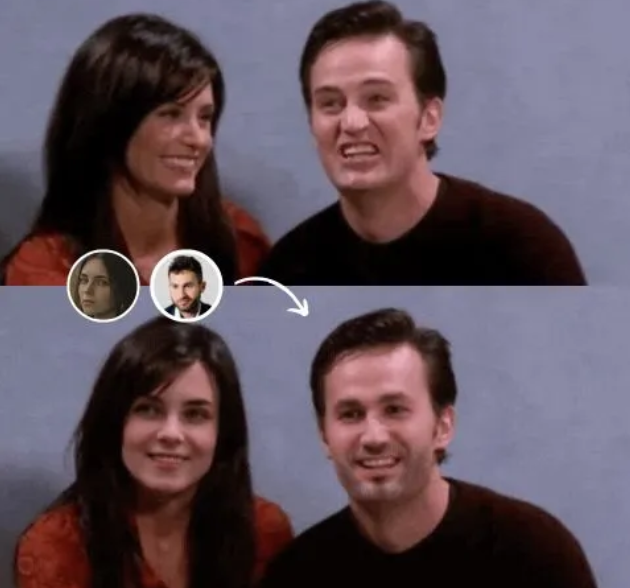
A familiar face can make a meme understandable in seconds, but a moving face can make it far more memorable. Meme creators use video face swap to place a friend, celebrity character, fictional hero, or even themselves into a scene people already recognize. The result works because viewers understand the joke quickly, then stay to see how the face behaves in an unexpected setting.
The best creators don’t treat face swapping as a replacement for an idea. They use it to sharpen timing, build surprise, or give a familiar clip a personal twist. A weak joke with a convincing face swap is still a weak joke, but a strong concept can become much more shareable when the visual switch feels natural.
Tools such as EasyFaceSwap make this process accessible to creators who don’t have advanced editing skills. You can start with a short clip, choose a clear face image, and focus more of your time on the joke, pacing, captions, and sound. The tool handles much of the technical work, though the final result still depends on thoughtful source material and editing choices.
Scenario 1: Turning Familiar Scenes Into Personal Memes
One of the most common uses is inserting a friend’s face into a well-known movie, television, or reaction clip. Imagine a group chat where one person always arrives late. A creator could use a dramatic entrance scene, replace the actor’s face with that friend’s, and add a caption about “showing up 45 minutes after everyone else.”
The humor comes from recognition on two levels. Viewers know the original scene, and they also recognize the person being featured. That combination gives the meme more meaning than a random image with a caption. It feels specific, which is often what encourages people to tag friends or share it in private chats.
Timing matters more than visual perfection here. The face should be visible when the main joke lands, but it doesn’t need to dominate every frame. If the face appears briefly during the key reaction, the effect may feel cleaner than a long clip where small errors become obvious.
Creators also need permission when using someone’s likeness, especially if the meme will be posted publicly or used for promotion. A private joke between friends is different from a video that could embarrass someone, suggest false behavior, or affect their reputation. Asking first is simple, and it helps keep the joke funny rather than uncomfortable.
Scenario 2: Building Reaction Memes With Extra Personality
Reaction videos work well with face swaps because their format already depends on expressions. A creator might take a clip of someone looking shocked, confused, proud, or exhausted and swap in the face of a popular character or a friend known for that expression. The new face gives the reaction a second layer of context.
For example, a creator could use a dramatic sports reaction and add the face of a gamer after losing a difficult match. The original body language supplies the energy, while the new face connects the moment to a particular community. This makes the video useful across platforms such as short-form video feeds, group chats, and community pages.
The strongest reaction memes usually keep the setup short. Viewers should understand what happened before the expression appears. A caption can provide context, but it should support the image instead of explaining every part of the joke. Large text, clear contrast, and a few readable words often work better than a paragraph covering the screen.
A creator using Video Face Swap can test several short source clips before choosing one. This is useful because the best clip is not always the one with the highest production quality. A simple reaction with a clear face, steady movement, and one strong emotional beat is often easier to process and more amusing than a busy scene.
Scenario 3: Joining Trends Without Copying Them
Trends give meme creators a ready-made format, but copying a popular video exactly rarely gives people a reason to share it. Face swaps offer a way to add a recognizable angle. A creator can take the structure of a trending dance, challenge, interview, or dramatic monologue and place a surprising character into it.
Suppose a trend features someone confidently explaining a complicated routine. Swapping in the face of a cartoon villain or a sleepy friend can change the meaning without changing the basic format. The audience recognizes the trend, then notices the mismatch. That small gap between what the body is doing and who appears to be doing it creates the joke.
This approach works best when the swap supports the original movement. A face that turns away too quickly, becomes hidden by an object, or appears during rapid camera movement may not track well. Choosing footage with front-facing moments and steady lighting gives the software better material to work with and makes the final clip easier to watch.
Trend timing also matters. A meme posted while people are still discussing a format has a better chance of being discovered, but rushing can reduce quality. Creators who prepare reusable captions, sound ideas, and face images can respond quickly without uploading the first rough version they make.
A Practical Workflow for Making a Shareable Face Swap
A reliable workflow starts with the joke, not the tool. Write down the one-sentence idea first: “This person acts like a professional chef but burns toast,” or “My friend enters every meeting like a movie hero.” If the idea isn’t clear before editing begins, visual effects usually won’t rescue it.
Next, select a clip that has a readable action and a useful facial angle. Short clips are easier to edit, upload, and watch repeatedly. Look for even lighting, limited motion blur, and enough screen time for the new face to appear during the punchline. If you’re choosing a face image, use one with a similar angle and expression when possible.
The editing process should stay focused. Upload the source video, add the chosen face image, and preview the result before adding captions or music. Check the eyes, mouth, jawline, and moments where the subject turns quickly. Small imperfections may be acceptable in a deliberately silly meme, but distracting glitches can pull attention away from the joke.
After the swap, trim the opening and ending. Many creators leave extra seconds around the main action, but short-form viewers often decide within the first moment if they’ll continue watching. Start close to the setup, show the transformation or reaction quickly, and end soon after the punchline instead of repeating it.
The table below gives a simple way to match the creative goal with the right editing choice:
| Creative goal | Best source clip | Editing choice |
|---|---|---|
| Make a friend recognizable | Familiar scene with a clear reaction | Keep the face visible at the punchline |
| Join a current trend | Short clip with steady movement | Preserve the trend’s rhythm and add one new twist |
| Create a reaction meme | Strong emotional expression | Use a bold caption and quick setup |
| Make a surreal joke | Unexpected character or setting | Let the visual mismatch carry the humor |
Sound can strengthen the result, but it shouldn’t hide poor timing. Use audio that supports the scene and fits the platform’s rules. A sudden pause, record scratch, or carefully timed sound effect may do more than a loud song placed over the entire clip.
Before publishing, watch the video without sound and then with sound. The silent version should still communicate the basic action through expressions and captions. The audio version should add energy rather than create confusion. It’s also worth checking how the clip looks on a phone, since small faces and thin text can disappear on a smaller screen.
Why Some Face Swap Memes Spread
People share memes that help them express something quickly. A face swap can turn a general situation into a personal one, giving viewers a character to identify with or a friend to tag. That emotional connection often matters more than technical quality.
Shareable videos also create a fast payoff. The viewer sees a familiar setup, notices the unexpected face, and understands the joke without needing a long explanation. If the reveal takes too long, the audience may scroll away before the main idea arrives.
Creators should also make the post easy to understand outside its original context. A short caption can explain the situation, but the video should not depend entirely on a private conversation. Adding a few relevant words can help people who discover it through search or recommendations.
Responsible use protects both the creator and the people shown. Don’t use face swaps to fake criminal behavior, promote products without permission, create sexual content involving real people, or mislead viewers about a real event. Clearly fictional or comedic framing is safer, and consent should guide any public use of a recognizable person’s face.
Conclusion
Video face swap gives meme creators a practical way to add identity, surprise, and context to short clips. It works especially well for personal jokes, reaction videos, and trend adaptations because the audience can recognize the original format while enjoying the new twist.
The most effective process is straightforward: start with a clear joke, choose footage with good lighting and readable movement, keep the clip short, and edit around the punchline. Strong timing and a useful caption will usually matter more than chasing perfect visual realism.
Used with permission and a clear comedic purpose, face swapping can turn an ordinary reaction into a memorable piece of content. The technology catches attention, but the creator’s idea is what gives people a reason to watch and share.

