


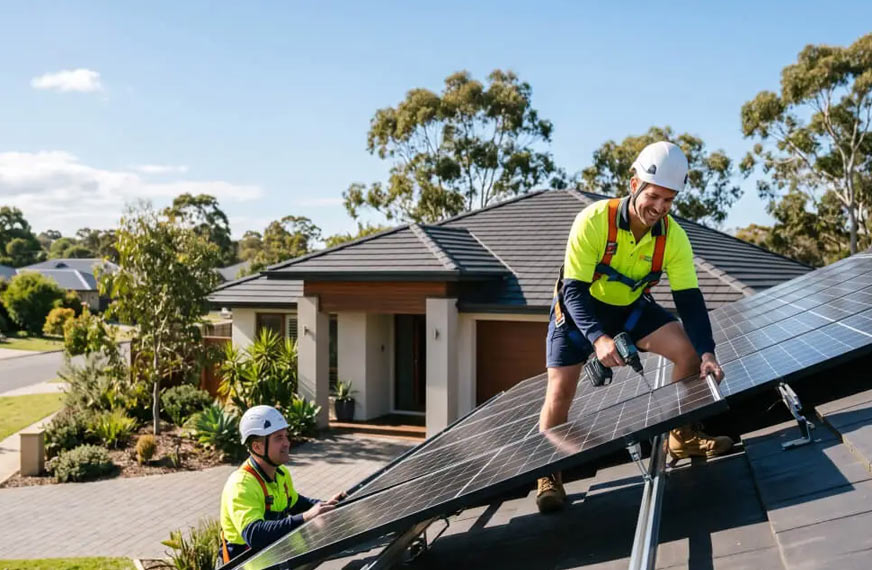
Solar energy can be a valuable long-term investment for property owners who want to generate electricity from a renewable source and improve their overall energy strategy. However, purchasing solar panels is only one part of the process. The quality of the design, equipment selection, electrical work, mounting system, and installation can all influence how effectively the completed system performs. This makes choosing the right professional an important decision. A qualified solar panel installer can assess the property, understand energy requirements, recommend suitable equipment, and complete the installation according to appropriate industry practices. Taking time to research available options before starting the project can help property owners understand their choices and establish realistic expectations for long-term system performance.
Understand Your Current Electricity Usage
Before discussing a solar project with an installer, property owners should review their existing electricity consumption. Utility bills from previous months can provide useful information about average usage and seasonal changes. Electricity requirements may vary depending on heating and cooling systems, appliances, occupancy, business equipment, and other factors. Future changes should also be considered because energy consumption can increase after adding an electric vehicle, installing new appliances, expanding a building, or changing how a property is used. Having a clear picture of current and expected energy needs gives an installer useful information for developing a suitable system. A professional solar panel installer can use consumption data along with property characteristics to determine an appropriate system size and configuration.
Evaluate the Property Before Installation
Every property has different characteristics that can influence solar system design. For rooftop installations, the roof’s age, condition, orientation, available space, and structural characteristics should be considered before panels are installed. Ground-mounted systems have their own requirements involving available land, support structures, access, and equipment placement. Shading from trees, buildings, chimneys, roof features, and other objects can also affect solar production. A thorough property assessment should identify these factors before the final design is approved. Choosing a solar panel installer who performs a detailed assessment can help identify potential challenges early and reduce the likelihood of unexpected changes during installation.
Review the Proposed Solar System Design
A quality solar installation begins with a carefully developed system design. The layout should account for the number of panels, available installation space, shading, orientation, electrical requirements, inverter placement, wiring, mounting equipment, and expected energy production. Property owners should ask questions about how the proposed design was developed and why specific equipment or panel arrangements were selected. A professional should be able to explain the major design decisions without relying on overly complicated technical language. A qualified solar panel installer should also provide enough information for the property owner to understand the expected function of the completed system and the relationship between its major components.
Compare Solar Panel Specifications
Solar panels are available with different efficiency levels, power outputs, dimensions, warranties, construction characteristics, and performance specifications. Property owners should look beyond the appearance of a panel or simply choose a product based on name recognition. The appropriate panel depends on available space, energy requirements, budget, system design, and other project considerations. Higher-efficiency panels may be useful when installation space is limited, while other properties may prioritize different characteristics. Customers should request technical information for the proposed products and ask why they have been selected. A knowledgeable solar panel installer should be able to explain the important specifications and how they relate to the planned system.
Understand the Role of Inverters
Inverters are essential components of solar energy systems because they convert electricity generated by solar panels into electricity that can be used by the property’s electrical system. Different types of inverter configurations can be used depending on the system design, including string inverters and microinverters. Each approach has different characteristics that may affect monitoring, installation, system configuration, and maintenance. Property owners should understand which inverter type is being proposed and why it is appropriate for their project. They should also ask about warranty coverage and monitoring capabilities. A professional solar panel installer can explain how the inverter works with the panels and other electrical equipment to create a complete energy system.
Check Installation Experience
Experience can be an important factor when comparing solar professionals because installations can vary significantly from one property to another. Roof structures, electrical systems, panel layouts, shading conditions, and access requirements can all create different challenges. Property owners should ask how long the installer has been performing solar projects and whether they have experience with systems similar to the proposed installation. Examples of previous projects can provide useful information about the contractor’s capabilities and workmanship. It is also helpful to ask how potential installation problems are identified and addressed. An experienced solar panel installer should be able to describe the installation process clearly and explain what customers should expect at each stage.
Assess Roof Condition and Structural Requirements
For rooftop solar systems, the condition of the roof should be considered before installation begins. Solar panels and mounting equipment can remain in place for many years, so installing them on a roof that requires major repairs may create unnecessary complications. If the roof is near the end of its useful life, property owners may want to address roofing work before installing solar equipment. Structural considerations should also be evaluated to ensure the supporting structure is appropriate for the proposed system. A responsible installer should identify these issues during the assessment rather than discovering them after installation has started. Selecting a solar panel installer who carefully evaluates the roof can help support a more efficient and predictable installation process.
Consider Shading and Sun Exposure
The amount of sunlight reaching solar panels can affect electricity production, making shading an important part of system planning. Trees, nearby buildings, roof structures, and other objects may create shade at different times of the day or year. Property owners should ask how shading has been considered when the proposed system was designed. The installer may recommend specific panel placement or equipment configurations based on the property’s conditions. It is important to understand that energy production estimates are influenced by environmental conditions and are not necessarily fixed amounts. A professional solar panel installer should explain how sunlight availability and shading affect the expected performance of the system.
Review Mounting and Installation Materials
Solar panels need secure mounting equipment that is appropriate for the installation surface and system design. Roof-mounted and ground-mounted systems can require different hardware and installation methods. Mounting components should be compatible with the selected panels and designed to provide secure support under expected environmental conditions. Property owners should ask what mounting equipment will be used and whether it is included in the project estimate. They should also understand how the mounting system will interact with the existing roof or support structure. Good-quality installation materials and appropriate mounting practices can contribute to the long-term stability and reliability of the completed system.
Examine Electrical Installation Work
Solar projects involve important electrical work, including wiring, inverter connections, disconnects, protection equipment, grounding, and integration with the existing electrical system. These components must be planned and installed carefully because they are essential to the safe operation of the system. Property owners should ask who will perform the electrical work and whether qualified professionals are involved in the project. The proposal should clearly identify major electrical components and any upgrades that may be required. A professional solar panel installer should explain the electrical portion of the project and identify any expected changes to the existing electrical infrastructure before work begins.
Understand Energy Production Estimates
Solar proposals commonly include estimated annual or monthly energy production, but these numbers should be understood as projections rather than guaranteed output. Actual production can change because of weather, seasonal sunlight, shading, panel orientation, equipment performance, and other conditions. Property owners should ask how the estimate was calculated and which assumptions were included. Comparing the estimated production of different proposals can be useful when evaluating system designs, but customers should avoid treating projections as fixed promises. A reputable installer should explain the assumptions behind the figures and provide a realistic description of expected system performance.
Review Warranty Protection
Warranty coverage can provide important protection for a long-term solar investment. Solar panels, inverters, mounting equipment, and installation workmanship may have different warranty terms. Property owners should review the duration and scope of each warranty and understand what circumstances are covered. It is also useful to determine who handles warranty claims and how customers can request assistance if an equipment problem occurs. Documentation should be provided in writing so that it can be retained for future reference. A trustworthy solar panel installer should clearly explain available warranties instead of leaving customers to interpret complicated documentation without assistance.
Compare Complete Project Estimates
When comparing solar providers, property owners should evaluate the entire project rather than focusing only on the initial price. A detailed estimate may include panels, inverters, mounting equipment, electrical work, monitoring, labor, permits, warranties, and other services. Two proposals with similar prices may offer very different equipment or service packages. Customers should ask questions about any unclear charges and determine whether additional costs could arise during installation. Comparing complete proposals makes it easier to understand the actual value of each option. A transparent solar panel installer should be willing to explain the pricing structure and identify what is included in the quoted project cost.
Consider Battery Storage Options
Battery storage can be useful for property owners who want to store electricity generated by their solar system for later use. The addition of batteries can provide greater flexibility, but it also introduces additional equipment, installation requirements, and costs. The appropriate battery capacity depends on factors such as energy consumption, desired backup capabilities, available space, and overall system design. Property owners should consider whether storage is part of their current energy goals or something they may want to add later. Discussing these possibilities during the initial design stage can help ensure that the electrical system is prepared for future needs when practical.
Ask About Monitoring and System Performance
Solar monitoring can help property owners understand how their system is performing after installation. Depending on the equipment, monitoring platforms may provide information about electricity production, system status, historical performance, and potential alerts. This information can make it easier to identify unusual changes and determine whether professional service may be required. Customers should ask whether monitoring is included with the proposed system and whether there are any additional costs associated with the service. A reliable installer should explain how the monitoring platform works and what information the property owner can access after the system has been commissioned.
Understand Maintenance Requirements
Although solar systems generally require limited routine maintenance, property owners should still understand how the system should be cared for over time. Panels can accumulate dirt, dust, leaves, or other debris depending on environmental conditions, while electrical equipment may eventually require inspection or service. Monitoring data can also provide useful information about changes in production. Customers should ask what maintenance is recommended, whether inspections are available, and which responsibilities remain with the property owner. Understanding these requirements before installation can help prevent misunderstandings later. A dependable solar panel installer should provide practical information about maintaining the system and addressing potential performance concerns.
Consider Customer Support After Installation
The relationship with an installer does not necessarily end when the panels are switched on. Property owners may need assistance with monitoring, warranty questions, system performance, maintenance, or equipment issues in the future. Before signing an agreement, customers should ask how service requests are handled and whether support is available after the project is completed. They should also keep copies of contracts, equipment specifications, warranties, installation documents, and other project records. Clear communication after installation can make long-term system ownership easier and provide customers with a clear process for resolving questions or concerns.
Think About Future Energy Requirements
Energy needs can change over time, so property owners should consider future requirements when planning a solar installation. Electric vehicles, new appliances, building expansions, heating equipment, and other electrical additions can increase consumption. If future expansion is possible, the initial system design may need to account for available electrical capacity, installation space, inverter configuration, and other factors. Discussing future plans before installation can help identify opportunities for flexibility. A knowledgeable installer can explain which aspects of a system may be expanded later and which decisions should ideally be made during the initial project.
Conclusion
Selecting the right solar installer requires careful consideration of system design, equipment quality, installation experience, roof condition, shading, mounting hardware, electrical work, warranties, monitoring, maintenance, customer support, and future energy needs. Property owners should compare complete proposals rather than focusing on a single factor such as price or panel quantity. Asking detailed questions before signing an agreement can provide a clearer understanding of what the project includes and how the completed system is expected to perform. A carefully planned solar installation can provide renewable electricity for many years, but achieving reliable results depends on suitable equipment, thoughtful design, professional workmanship, and ongoing attention to system performance. By researching available options and evaluating installers carefully, property owners can make a more informed decision about their solar investment and establish an energy system suited to their long-term goals.

