


Keys and locks are essential parts of everyday security, providing controlled access to homes, offices, rental properties, vehicles, storage spaces, and many other environments. Although these systems may appear simple, they require proper installation, maintenance, and responsible management to remain dependable. A damaged key, worn lock, or misplaced access device can quickly turn into an inconvenient situation. Understanding how different key services work can help property owners respond to common problems and make better decisions about security. A Keysmith can assist with many key-related requirements, including duplication, replacement, repair, and certain lock-related services. Professional support can also be useful when a property owner needs to improve access control or update older hardware. Taking a proactive approach can make daily access more convenient while helping maintain dependable security.
Understanding the Importance of Keys
Keys are small but important components of a property’s overall access system. They provide authorized users with a physical method of entering a secured space and are often used many times throughout the day. Regular use can gradually cause keys to become worn, bent, scratched, or otherwise damaged. When a key no longer operates smoothly, continuing to force it into the lock can increase the risk of breaking it or damaging the mechanism. A Keysmith can inspect a damaged key and determine whether it can be duplicated or needs to be replaced. Keeping properly maintained spare keys can also help reduce inconvenience if an original becomes lost or damaged. Responsible key management is therefore an important part of maintaining reliable access.
Common Reasons Keys Stop Working Properly
Keys can develop problems for several reasons, including repeated use, physical damage, corrosion, or gradual wear. Even a key that looks normal may have small changes in its shape that affect how it interacts with the internal components of a lock. Dirt and debris can also accumulate around the lock or key, making operation more difficult. A Keysmith can examine the key and identify whether the issue is caused by the key itself or by the lock. This distinction is important because replacing a key will not necessarily solve a problem caused by a damaged locking mechanism. Addressing the actual source of the difficulty can prevent repeated failures and unnecessary expenses. Property owners should take unusual resistance seriously rather than forcing the key.
The Value of Key Duplication
Having spare keys can be useful for households, businesses, rental properties, and other environments where multiple authorized people need access. A Keysmith can create duplicate keys when compatible equipment and key types are available. Property owners should keep track of who receives copies, especially when the key provides access to important areas. Uncontrolled duplication can make it difficult to know how many keys are in circulation. For this reason, spare keys should be distributed only to people who genuinely require access. Some key systems also offer controlled duplication features that can help property owners manage copies more effectively. Good organization ensures that convenience does not unnecessarily reduce control over access.
Replacing Lost Keys
Losing a key can create both inconvenience and uncertainty about property security. If a lost key can potentially be linked to a particular property, the owner may need to consider whether simply creating another key is sufficient. Depending on the circumstances, changing the lock’s configuration or replacing the hardware may provide a more appropriate solution. A Keysmith can explain the available options based on the type of lock and the circumstances surrounding the lost key. Property owners should consider who may have found the key and whether identifying information was attached to it. Taking action promptly can help restore confidence in the property’s access arrangements. Keeping a secure spare key can also reduce the disruption caused by future losses.
Understanding Key Cutting
Key cutting involves creating a new key that matches the required pattern for a particular lock. Accuracy is important because even small differences can affect how smoothly a key operates. Poorly cut keys may stick, fail to turn, or cause unnecessary wear to the lock. A Keysmith uses appropriate equipment and key blanks to produce compatible copies when the required information is available. The type of key determines the equipment and process involved, so not every key can be duplicated in exactly the same way. Property owners should use suitable key blanks rather than relying on poor-quality copies. Accurate duplication can provide reliable access and reduce problems caused by incorrectly shaped keys.
Dealing With Broken Keys
A broken key can leave part of the key inside the lock, making normal access difficult or impossible. Attempting to remove the broken piece with unsuitable tools may push it deeper or damage internal components. Professional assistance can help determine the safest approach for removing the broken section. A Keysmith can assess the lock and key and then recommend appropriate next steps. Once the broken piece has been removed, the remaining key can be evaluated to determine whether a replacement should be produced. If the lock itself has also been damaged, repair or replacement may be necessary. Addressing the problem carefully can reduce the risk of turning a simple key failure into a more extensive repair.
Maintaining Locks and Keys
Keys and locks work together, so maintaining one without considering the other may not solve recurring access problems. Property owners should keep keys clean, avoid bending them, and replace significantly worn copies when necessary. Locks should also be checked periodically for loose hardware, unusual resistance, misalignment, or other signs of deterioration. A Keysmith can inspect problematic hardware and help determine whether maintenance, repair, rekeying, or replacement is appropriate. Doors should close and latch properly without requiring excessive force. If a key suddenly becomes difficult to turn, the problem should be investigated instead of repeatedly forcing it. Routine attention can help extend the useful life of access hardware and reduce unexpected failures.
Improving Access Control
Access control is about more than simply having a working key. Property owners should know who is authorized to enter particular areas and how access can be changed when circumstances change. A Keysmith can help with certain systems that allow owners to update keys or modify locking arrangements. This can be useful when a property changes ownership, tenants move out, employees leave a business, or access needs become more limited. Rekeying compatible locks can sometimes provide a practical way to change which keys operate existing hardware. In other situations, replacing the entire lock may be more appropriate. The right solution depends on the property’s specific access requirements and the condition of its existing hardware.
Rekeying as a Security Option
Rekeying changes the internal configuration of a compatible lock so that previous keys no longer operate it while allowing a new key to be used. This can be useful when property owners want to maintain existing hardware while changing access. A Keysmith can evaluate whether a particular lock can be rekeyed and explain the process. Rekeying may be considered after changes in occupancy, lost keys, employee turnover, or other situations where previous access should no longer remain active. It can also help simplify key management when multiple compatible locks need to operate with a coordinated key arrangement. Property owners should discuss their requirements carefully before choosing between rekeying and complete lock replacement.
Supporting Rental Property Management
Rental properties often require organized key management because occupants change regularly. Property managers need to ensure that new occupants receive appropriate access while previous occupants no longer retain unnecessary entry. A Keysmith can assist with rekeying or changing locks between tenancies, depending on the hardware installed. Shared entrances, storage spaces, garages, and other common areas may require separate access arrangements. Keeping accurate records of issued keys can make future changes easier to manage. Property managers should also inspect locks periodically to identify wear or damage before it causes inconvenience for occupants. A consistent key management process can support reliable access and make property administration more organized.
Managing Business Keys
Businesses may have numerous employees who need access to different rooms, entrances, storage areas, or equipment spaces. Giving every person the same level of access can make management unnecessarily difficult. A Keysmith can help businesses explore appropriate key systems and access arrangements based on their operational requirements. Master key systems and other structured approaches may allow authorized users to access specific areas without providing universal entry. When employees leave an organization, access should be reviewed and changed when necessary. Records of issued keys should be maintained so management knows who has access. Organized key control can reduce confusion and support a more manageable security system.
Choosing Between Traditional and Modern Access Systems
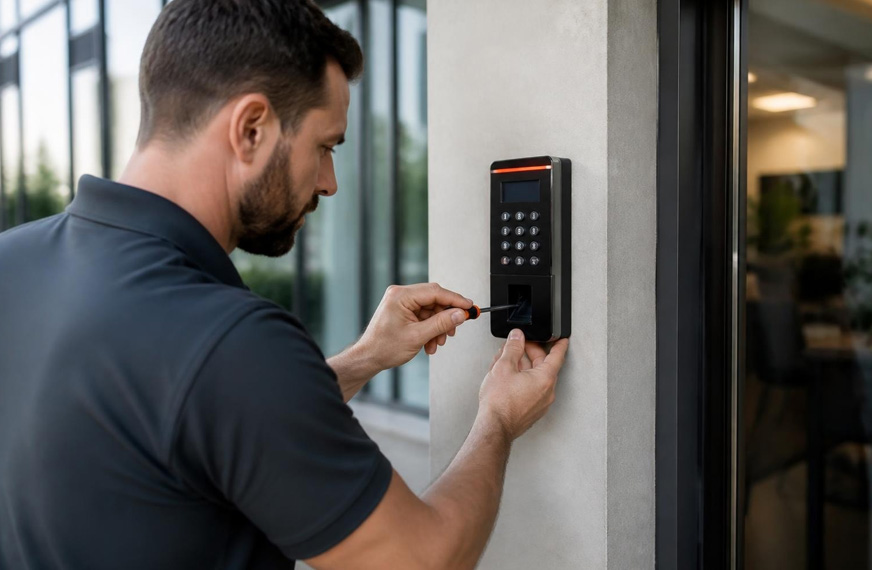
Traditional keys remain practical for many properties, but modern access technologies can provide additional convenience and management features. Electronic locks may use codes, cards, mobile credentials, or other authentication methods instead of physical keys. These systems can make it easier to add or remove authorized users in certain circumstances. A Keysmith with knowledge of relevant hardware can explain the differences between traditional and electronic options. Property owners should consider reliability, maintenance, cost, user convenience, and security requirements before changing systems. Technology should solve a genuine access problem rather than being adopted simply because it is newer. Choosing a system that matches the property’s actual needs can provide more practical long-term value.
Maintaining Spare Keys
Spare keys should be stored in secure locations and provided only to trusted, authorized individuals. Hiding a key in an obvious outdoor location may create an unnecessary security concern, particularly if someone familiar with the property knows where to look. A Keysmith can create appropriate duplicates when additional authorized users require them. Property owners should also periodically review who has spare keys and recover copies that are no longer needed. For businesses, a written record can help track key assignments. For households, a smaller system may be sufficient, but the same principle applies. Knowing where spare keys are and who possesses them makes access management more predictable.
Understanding High-Security Key Systems
Some properties require more controlled key management than ordinary household locks provide. Certain high-security systems are designed to make unauthorized duplication more difficult and may use specialized key designs. A Keysmith can explain whether these systems are appropriate for a particular property and what their maintenance requirements may involve. Businesses with sensitive areas may benefit from greater control over who can obtain duplicate keys. However, higher security can sometimes involve additional costs or specialized service requirements. Property owners should consider the value of the areas being protected and the number of people who require access. The goal should be to select a system that provides an appropriate balance between security, convenience, and manageability.
Handling Lockouts Responsibly
A lockout can happen when a key is misplaced, broken, locked inside a property, or rendered unusable by a damaged mechanism. Trying random methods to bypass a lock can cause unnecessary damage to the door, frame, or hardware. A Keysmith can assess the situation and determine an appropriate method for restoring authorized access. After the immediate problem has been resolved, the cause of the lockout should be addressed. This might involve producing replacement keys, repairing the lock, or changing the access arrangement. Property owners can also reduce future inconvenience by maintaining secure spare keys where appropriate. Planning ahead is especially useful for people who depend on access to important property areas.
Improving Door Hardware
The effectiveness of a key and lock can be influenced by the condition of the surrounding door hardware. Loose hinges, damaged frames, misaligned doors, worn strike plates, and faulty handles can cause a lock to operate poorly. A Keysmith can identify situations where the problem may be related to the door rather than the key or lock itself. Correcting alignment problems can sometimes restore smooth operation without replacing the entire locking system. Property owners should pay attention to doors that require unusual force to close or lock. Ignoring these issues may place unnecessary stress on the hardware. Maintaining the complete entry assembly can therefore help support dependable access.
Preparing for Changes in Property Access
Access requirements can change as families grow, businesses expand, tenants change, or properties are renovated. A locking system that works well today may become less practical when additional users or rooms are added. A Keysmith can discuss options that provide flexibility for future access changes. Property owners should consider whether additional keys will be needed and how access will be removed when users are no longer authorized. Electronic systems may offer different management capabilities, while mechanical systems can provide reliable simplicity. Planning ahead can help avoid replacing hardware repeatedly as circumstances change. A flexible access strategy can make future security improvements easier to manage.
Avoiding Common Key Management Mistakes
Simple habits can have a major effect on the reliability and organization of a property’s key system. Leaving keys in unsecured places, lending them without tracking, ignoring damaged copies, or continuing to use a badly worn key can create avoidable problems. Property owners should treat keys as security credentials rather than ordinary objects. A Keysmith can provide guidance when owners are unsure whether a key should be copied, replaced, or associated with a different locking arrangement. Keys should also be kept away from unnecessary moisture and physical stress. Reviewing key distribution from time to time can help ensure that access remains limited to people who need it. Responsible habits complement the physical security provided by locks.
Benefits of Professional Key Services
Professional key services can be valuable when a situation involves damaged keys, unusual key designs, multiple locks, access changes, or specialized hardware. A Keysmith can evaluate the problem and explain possible solutions before work is performed. This can reduce the risk of damaging expensive or difficult-to-replace components. Professional assistance can also be useful when several doors need coordinated access or when a property requires a more structured key management system. Clear communication about the purpose of each lock can help identify suitable options. Property owners should also keep information about installed hardware when possible, as this can make future service easier. Professional support can turn a frustrating access problem into a more organized and manageable process.
Creating a Long-Term Key Management Plan
A long-term approach to key management can help property owners maintain control over access as circumstances change. The plan can include records of issued keys, scheduled hardware inspections, procedures for lost keys, and guidelines for creating additional copies. A Keysmith can help property owners understand which services may be useful as the system develops. Businesses may require more formal procedures, while households may only need a simple record of spare keys. The important point is to maintain awareness of who can access important areas and whether the existing hardware continues to meet current needs. Periodic reviews can identify unnecessary keys and outdated locks. Consistent management can improve convenience while supporting dependable property security.
Conclusion
Keys and locks remain fundamental components of property access, but their effectiveness depends on proper maintenance, accurate duplication, responsible distribution, and suitable hardware. Property owners can reduce many common problems by recognizing worn keys, addressing damaged locks, maintaining door hardware, and reviewing access whenever circumstances change. Professional services can provide useful support for key cutting, duplication, replacement, rekeying, lock-related problems, and access management. A Keysmith can help property owners understand the available options and select solutions that fit their practical requirements. Whether managing a household, rental property, office, or business, organized key control can make access more convenient and predictable. With regular maintenance and responsible management, a well-planned key and lock system can provide dependable service for years to come.

