


Across much of the United States, homeowners and property managers are paying closer attention to what they plant and why. Ornamental trees that serve only one purpose — whether that is shade, color, or curb appeal — are giving way to selections that offer more consistent value over time. The serviceberry tree has quietly become one of the more practical choices available to those working with residential yards, small commercial properties, or restoration plantings. It grows across a wide range of climate zones, supports local wildlife, produces edible fruit, and requires comparatively little intervention once established.
That said, choosing the right serviceberry variety and giving it a strong start in the ground are decisions that carry real consequences. A tree planted in the wrong soil conditions or the wrong light exposure will underperform for years before the problem becomes obvious. Understanding what this tree needs before you purchase it — not after — is where most beginner mistakes are avoided.
Understanding What Serviceberry Trees Are and Why They Matter
Serviceberry trees belong to the genus Amelanchier, a group of deciduous shrubs and small trees native to North America. They are not a single species but rather a collection of closely related varieties that share similar growth habits, flowering patterns, and fruiting characteristics. Depending on the region and the specific cultivar, serviceberries can grow as multi-stemmed shrubs, single-trunk trees, or something in between. This flexibility is part of what makes them adaptable across such a broad range of landscapes — from urban backyards in the Mid-Atlantic to rural properties in the Upper Midwest.
Before purchasing, it helps to consult a reliable Serviceberry Tree For Sale guide that outlines available cultivars by region, growth habit, and use case. Not every tree sold under the serviceberry name will behave the same way, and understanding the distinctions early saves time and money in the long run.
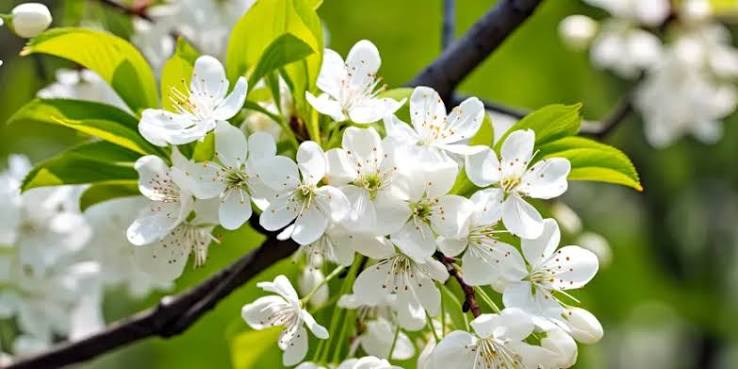
The ecological role of this tree is also worth understanding. Serviceberries bloom early in the season — often among the first flowering trees to open — which makes them a meaningful food source for early pollinators. Their fruit ripens in late spring to early summer and attracts birds, which in turn support broader garden and yard health. According to the USDA Forest Service, native species like Amelanchier contribute significantly to regional biodiversity and are often recommended for habitat restoration projects precisely because of their multi-season value.
The Difference Between Species and Cultivars
When you search for a serviceberry tree for sale, you will encounter both wild-type species and named cultivars. The distinction matters more than most buyers expect. Wild-type serviceberries — such as Amelanchier canadensis or Amelanchier laevis — tend to spread through suckering and can form thickets over time. This is useful in some contexts, particularly for erosion control or naturalized areas, but it can be a maintenance problem in a manicured yard.
Named cultivars like ‘Autumn Brilliance’ or ‘Robin Hill’ have been selected and propagated for specific traits: tighter growth form, more reliable fall color, or greater disease resistance. These cultivars are grafted or clonally propagated, which means their performance is more predictable than seed-grown stock. For most residential applications, a named cultivar will give you more consistent results and reduce the likelihood of unexpected spreading or uneven growth.
Choosing the Right Variety for Your Region and Site
The United States covers a vast range of climate conditions, and serviceberry trees — while broadly adaptable — are not universally interchangeable across all of them. A variety that performs well in the humid Mid-Atlantic may struggle in the drier conditions of the Mountain West. Similarly, a tree selected for a shaded urban courtyard will have different requirements than one intended for an open rural property with full sun exposure and clay-heavy soil.
The first practical step is identifying your USDA hardiness zone and understanding the site conditions you are working with. Most serviceberry trees are hardy across a wide swath of the country, but individual varieties have preferences that will affect their long-term performance. Researching regional suitability before you look at any serviceberry tree for sale listings will narrow your options to those most likely to succeed in your specific context.
Evaluating Sun and Soil Before You Purchase
Serviceberries are adaptable, but they do have preferences. They generally perform best in full sun to partial shade. Trees planted in heavy shade will grow more slowly, flower less reliably, and produce less fruit. This is a manageable trade-off in some situations — for example, when you are planting under a taller canopy tree to fill in understory space — but it should be a deliberate choice, not an oversight.
Soil drainage is equally important. Serviceberries tolerate a range of soil types, from loamy to clay-heavy, but they are sensitive to prolonged standing water. A planting site that holds water after rain events will stress the root system over time and make the tree more vulnerable to fungal disease. Checking drainage before you dig is a simple step that prevents a difficult problem later. If drainage is poor, raised planting or soil amendment may be necessary, though those interventions add complexity and cost to an otherwise straightforward installation.
Matching Tree Size to Your Available Space
One of the most consistent errors made when buying a serviceberry tree for sale is underestimating mature size. At the point of purchase, most trees are relatively small — they fit comfortably in a nursery container and look proportionate to a typical yard. But serviceberries can reach considerable height and spread over ten to fifteen years, and a tree planted too close to a structure, utility line, or property boundary creates ongoing problems.
Before selecting a cultivar, measure the actual planting space and factor in what will be around the tree at maturity — not just now. Multi-stemmed varieties tend to spread wider than single-trunk forms, which means they need more horizontal clearance. Single-trunk cultivars often grow taller and are better suited to narrower planting strips or areas where vertical growth is preferred over spread. Matching the right form to the right space at the beginning avoids the need for heavy corrective pruning later, which stresses the tree and degrades its natural structure.
Planting a Serviceberry Tree Correctly
The planting process for a serviceberry tree is not technically complex, but it does require attention to a few details that are easy to overlook. How deep a tree is planted, how much of the root ball is disturbed during installation, and what happens in the weeks immediately following planting all have lasting effects on how well the tree establishes itself and performs over time.
Timing and Hole Preparation
Spring and fall are the most reliable planting windows in most parts of the country. Spring planting allows the tree to take advantage of warming soil temperatures and seasonal rainfall. Fall planting, particularly in warmer regions, gives the root system time to settle before the growing season begins. Summer planting is possible but requires more intensive watering support and exposes the tree to additional stress during its most vulnerable period.
The planting hole should be wide — ideally several times the width of the root ball — but not particularly deep. Setting the tree too deep is one of the most common and consequential planting errors. The root flare, which is the point where the trunk widens at the base, should sit at or slightly above the surrounding soil grade. Burying the root flare leads to long-term decline that can take several years to manifest visibly, by which point the damage is already done.
Watering and Establishment Expectations
New trees need consistent moisture during their first growing season, and often into their second. This does not mean constant watering — it means regular, deep watering that encourages the roots to extend downward rather than staying near the surface. Shallow watering trains roots to stay close to the surface, which makes the tree more dependent on supplemental irrigation and less resilient to drought.
Mulching around the base of the tree helps retain soil moisture and regulates temperature around the root zone. Keeping mulch pulled back slightly from the trunk prevents moisture accumulation against the bark, which can create conditions favorable to rot and pest damage. The establishment period for a serviceberry tree typically spans two to three growing seasons, after which the tree becomes significantly more self-sufficient under normal conditions.
Long-Term Care and What to Realistically Expect
Serviceberry trees are not high-maintenance, but they are not maintenance-free either. Once established, they are relatively drought tolerant and do not require heavy fertilization. In fact, excessive fertilization — particularly with nitrogen-heavy products — can push excessive vegetative growth at the expense of flowering and fruiting, which is counterproductive for most planting goals.
Pruning, when needed, should be done in late winter or very early spring before new growth begins. The goal is to remove crossing branches, dead wood, or growth that disrupts the natural form of the tree. Aggressive pruning is rarely necessary on a well-sited serviceberry. The tree’s natural structure is part of its appeal, and over-pruning strips away the qualities that make it worth growing in the first place.
Disease pressure is generally low, though some serviceberry varieties are susceptible to rust, a fungal condition that causes orange or yellow spotting on leaves. Selecting resistant cultivars — something to confirm when you are evaluating any serviceberry tree for sale — reduces this risk considerably. Good air circulation around the canopy also helps, which is another reason to give the tree adequate space at planting.
Concluding Thoughts
Choosing and planting a serviceberry tree is a straightforward process when approached with the right information at the right stage. The decisions that matter most — variety selection, site evaluation, and planting depth — all happen before the tree goes in the ground. Getting those right produces a tree that grows well, requires minimal intervention, and provides consistent value for decades.
For those new to serviceberries, the learning curve is not steep. The tree is forgiving of minor errors, adapts to a wide range of conditions, and rewards basic care with reliable performance. The primary risk is not that the tree is difficult — it is that buyers make assumptions about site fit or variety suitability without doing the groundwork first. That step, done carefully, changes the outcome significantly.
Whether you are planting a single specimen in a residential yard or establishing several trees across a larger property, serviceberries are a sound long-term choice for much of the country. Taking the time to understand what you are working with before purchase is the most effective thing you can do to ensure the investment holds up over time.

