


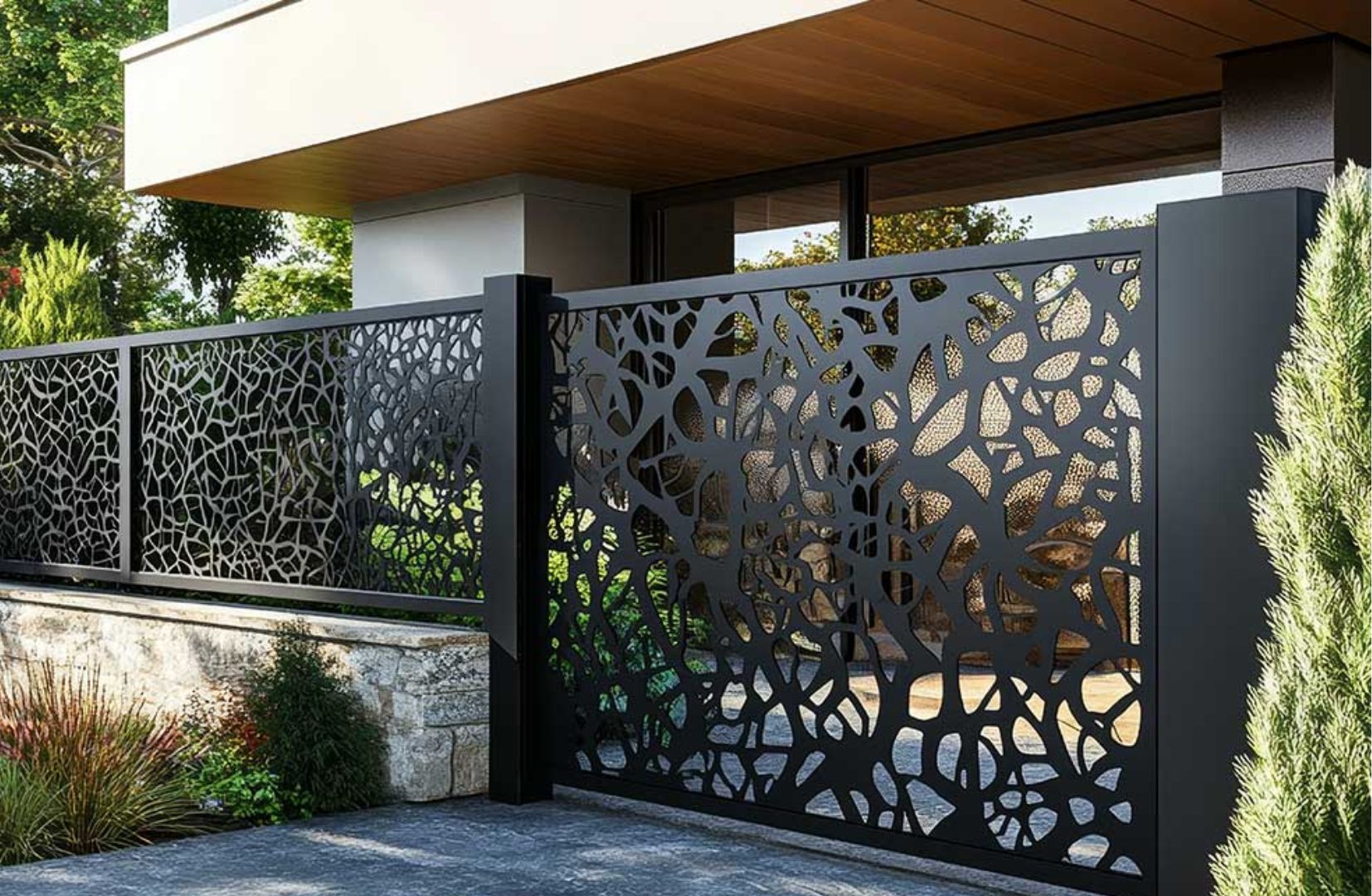
Choosing the right fencing can have a major influence on the appearance, functionality, and overall character of an outdoor property. A fence is not simply a boundary between one space and another; it can contribute to privacy, security, curb appeal, landscaping, and the architectural identity of a home or commercial property. Among the many fencing materials available, aluminum has become a practical choice for people who want an attractive structure without the demanding maintenance associated with some traditional materials. Decorative Aluminum Fencing combines an elegant appearance with lightweight construction, durability, and design flexibility, making it suitable for a wide variety of architectural styles and outdoor applications.
The appeal of aluminum fencing comes from its ability to provide a refined appearance while remaining practical for everyday use. Aluminum can be shaped into different profiles, patterns, and ornamental details, allowing property owners to create boundaries that look more distinctive than basic utilitarian fencing. At the same time, modern finishes can help protect the material from outdoor conditions, reducing the amount of routine maintenance required. Understanding the characteristics of aluminum fencing, including its construction, design possibilities, installation requirements, maintenance needs, and practical limitations, can help property owners make an informed decision before beginning a fencing project.
Understanding Aluminum Fencing
Aluminum fencing is manufactured from aluminum components that are formed into rails, posts, pickets, panels, and decorative elements. These pieces are assembled to create a continuous boundary around a designated area. Unlike solid privacy fencing, ornamental aluminum designs often use open spaces between vertical pickets, allowing visibility through the fence while still creating a clearly defined property boundary.
One of the defining characteristics of aluminum is its relatively low weight compared with many other metals. This can make transportation and installation more manageable, particularly when large quantities of fencing materials are required. Despite being lightweight, properly manufactured aluminum fencing can provide reliable structural performance for residential and commercial applications when it is correctly designed and installed.
The material can also be finished in a variety of colors and surface treatments. Powder coating is commonly used because it can create a durable exterior finish while providing a consistent appearance. The available colors allow property owners to coordinate the fence with exterior walls, gates, landscaping features, roofing, doors, and other architectural details.
Aesthetic Versatility
A major advantage of aluminum fencing is its visual flexibility. Traditional ornamental designs may include decorative finials, curved sections, ornamental gates, and other details that create a classic appearance. More contemporary designs may use straight lines, simple pickets, and minimal decorative elements for a cleaner look.
The spacing between pickets can also affect the visual character of the fence. Closely spaced pickets can create a stronger sense of enclosure, while wider spacing can produce a lighter and more open appearance. The height of the fence contributes to its proportions as well, so the selected height should complement the surrounding architecture rather than appearing too dominant or too small.
Gates provide another opportunity for customization. A gate can be designed to match the surrounding fence or become a focal point through additional decorative details. Depending on the property, gates may be used for pedestrians, vehicles, gardens, pools, or other controlled-access areas. Hardware such as hinges, latches, handles, and locks should be selected according to the gate’s size and intended use.
Durability and Outdoor Performance
Outdoor fencing must withstand changing weather conditions, moisture, sunlight, wind, and everyday use. Aluminum has natural resistance to corrosion because it forms a protective oxide layer when exposed to air. This characteristic can make it particularly useful in environments where moisture is a concern.
However, the durability of an aluminum fence depends on more than the base material. The quality of manufacturing, protective finish, fasteners, installation, and maintenance can all affect long-term performance. Scratches, impact damage, or improperly protected connections can create areas where deterioration becomes more likely. High-quality components and appropriate installation practices can help reduce these risks.
The protective finish should also be considered carefully. A durable coating can help preserve the appearance of the fence and protect the underlying metal. Property owners should follow the manufacturer’s recommendations regarding cleaning and repairs, especially if the surface becomes damaged.
Low Maintenance Requirements
One of the most attractive characteristics of aluminum fencing is its relatively low maintenance requirement. Unlike untreated wood, aluminum does not require regular staining or painting simply to prevent ordinary weather-related deterioration. This can save both time and maintenance costs over the life of the fence.
Routine cleaning is usually sufficient to remove dust, dirt, pollen, and other outdoor debris. A mild cleaning solution and appropriate water pressure may be suitable for many finishes, although manufacturers’ instructions should always be followed. Harsh chemicals or abrasive cleaning methods can damage certain coatings.
Periodic inspections are still important. Property owners should check posts, rails, pickets, fasteners, gates, and hinges for signs of damage or loosening. Addressing small problems early can prevent them from becoming larger repair issues. Vegetation should also be controlled around the fence because branches, vines, and dense growth can place unnecessary pressure on components or make inspection more difficult.
Security Without a Heavy Appearance
Fencing can serve a security function while still maintaining an attractive appearance. Aluminum fencing with appropriately spaced pickets can create a physical boundary and discourage casual access without making the property appear completely enclosed. The open design also allows visibility, which can be desirable around front yards, gardens, pathways, and other areas where property owners want to maintain visual openness.
The effectiveness of a fence as a security feature depends on its height, design, gate hardware, surrounding landscape, and the specific security requirements of the property. A decorative fence should not automatically be considered a complete security system. In situations requiring higher levels of protection, it may need to be combined with appropriate locks, lighting, access controls, cameras, or other security measures.
For pool areas, fencing can also serve an important safety function. However, pool barriers are subject to specific safety requirements that can vary according to the applicable building and safety regulations. Property owners should verify the relevant requirements before selecting or installing a fence around a pool.
Landscaping and Architectural Integration
A fence should work with the surrounding landscape rather than appearing disconnected from it. Aluminum fencing can be particularly effective around gardens, lawns, walkways, patios, and landscaped entrances because its open structure allows plants and architectural features to remain visible.
The fence can also be used to frame a landscape rather than simply divide it. For example, an ornamental boundary can emphasize a garden area, create a visual edge around a lawn, or guide visitors toward an entrance. Decorative gates can reinforce the same design language and create a sense of arrival.
Color selection can further strengthen the connection between the fence and the property. A neutral finish can blend with a wide range of architectural styles, while a contrasting color can make the fence more visually prominent. The best choice depends on whether the fence is intended to blend into the landscape or serve as a noticeable architectural feature.
Choosing the Appropriate Design
Before purchasing fencing, property owners should consider the primary purpose of the installation. A decorative boundary around a front garden may require a different design from a fence intended to control pets, define a pool area, or provide access control. Identifying the purpose first can make it easier to determine the appropriate height, spacing, gate configuration, and level of ornamentation.
The architectural style of the property should also influence the design. Elaborate ornamental details may complement traditional architecture, while a modern building may benefit from a simpler profile. The goal should be visual consistency rather than choosing the most decorative option available.
Property owners should also consider the terrain. Sloping ground may require specialized installation techniques or a design that follows the grade. In some situations, a stepped configuration may be appropriate, while other installations can follow the slope more continuously. Discussing the site with an experienced fencing professional can help determine which approach is most practical.
Installation Considerations
Correct installation is essential for the stability and appearance of any fence. Before installation begins, the property boundary should be established accurately, and underground utilities should be identified according to applicable procedures. Posts need to be positioned correctly so that the finished fence remains aligned and stable.
The condition of the ground can affect installation. Soil composition, drainage, slope, and other site conditions may influence the depth and method used for setting posts. Gates require particular attention because they experience repeated movement and place additional loads on hinges and supporting posts.
A professional installer can evaluate these factors and ensure that the fencing system is assembled according to the manufacturer’s specifications. Proper alignment is also important from an aesthetic perspective. Even small inconsistencies in post spacing or rail height can become noticeable once the entire fence has been installed.
Gates and Access Points
Gates are among the most functional parts of a fencing system. A well-designed gate should provide convenient access while maintaining the appearance and structural integrity of the surrounding fence. The correct hardware depends on the size and weight of the gate as well as how frequently it will be used.
Pedestrian gates are generally smaller and lighter, while vehicle gates require more substantial construction and hardware. Automated gates may require additional electrical components, sensors, controls, and safety features. Any automated system should be installed and maintained according to the manufacturer’s instructions and applicable safety requirements.
The location of the gate should also be considered during the planning stage. A gate should provide practical access without creating conflicts with driveways, walkways, landscaping, or other structures. Careful planning can prevent inconvenient modifications after installation.
Cost and Long-Term Value
The cost of an aluminum fencing project depends on several factors, including fence height, design complexity, material quality, gates, site conditions, labor, and installation requirements. Ornamental features and custom designs can increase the initial cost, while simple configurations may be more economical.
It is useful to consider long-term value rather than focusing solely on the initial purchase price. A durable fence with relatively low maintenance requirements may reduce ongoing expenses associated with repainting, staining, or extensive repairs. The overall value also includes the contribution the fence makes to the property’s appearance and functionality.
Comparing products based only on price can sometimes lead to an unsuitable choice. Differences in coating quality, structural design, hardware, and warranty coverage may affect performance over time. Property owners should examine the complete fencing system rather than evaluating individual components in isolation.
Common Mistakes to Avoid
One common mistake is choosing a design based entirely on appearance without considering its intended function. A beautiful fence may not provide the appropriate height, spacing, access control, or durability for a particular application. Establishing practical requirements before choosing a style can prevent this problem.
Another mistake is failing to account for gates and hardware during the initial planning process. Gates can influence post placement, access routes, and overall installation requirements, so they should be included in the design from the beginning.
Incorrect property measurements can also create unnecessary complications. The total length of fencing, number of corners, gate openings, changes in elevation, and post locations should be carefully calculated before materials are ordered. Accurate measurements can help reduce waste and unexpected costs.
Finally, property owners should avoid assuming that aluminum fencing requires no maintenance at all. Although maintenance is generally straightforward, periodic inspection and cleaning are still necessary to preserve its appearance and identify potential issues early.
Creating a Lasting Outdoor Boundary
A thoughtfully designed aluminum fence can provide a combination of visual appeal and practical functionality. Its open construction allows landscapes to remain visible, while decorative details can add architectural character. The material’s resistance to ordinary corrosion and relatively low maintenance requirements can make it an appealing alternative to fencing materials that demand more frequent upkeep.
The best results come from treating the fence as part of the property’s overall design rather than as an isolated structure. Color, height, spacing, gate design, landscaping, and architectural style should work together to create a cohesive appearance. When these elements are considered from the beginning, the finished fence can feel like a natural extension of the property.
Final Thoughts
Decorative Aluminum Fencing offers property owners an opportunity to establish clear boundaries without sacrificing visual appeal. Its combination of lightweight construction, corrosion resistance, design flexibility, and relatively simple maintenance makes it suitable for many residential and commercial applications. From garden borders and walkways to entrances, pool areas, and larger perimeter installations, aluminum can be adapted to a wide range of needs.
Selecting the right fence requires more than choosing a preferred color or ornamental pattern. Property owners should consider the purpose of the fence, architectural style, terrain, desired height, picket spacing, gate requirements, installation conditions, material quality, and long-term maintenance. Taking these factors into account can make the project more predictable and help ensure that the finished structure performs as intended.
With thoughtful planning and professional installation, Decorative Aluminum Fencing can become both a functional boundary and an attractive architectural feature. Its ability to combine refined design with practical outdoor performance makes it a versatile choice for property owners seeking a durable fencing solution that can complement landscaping and architecture for many years.

