


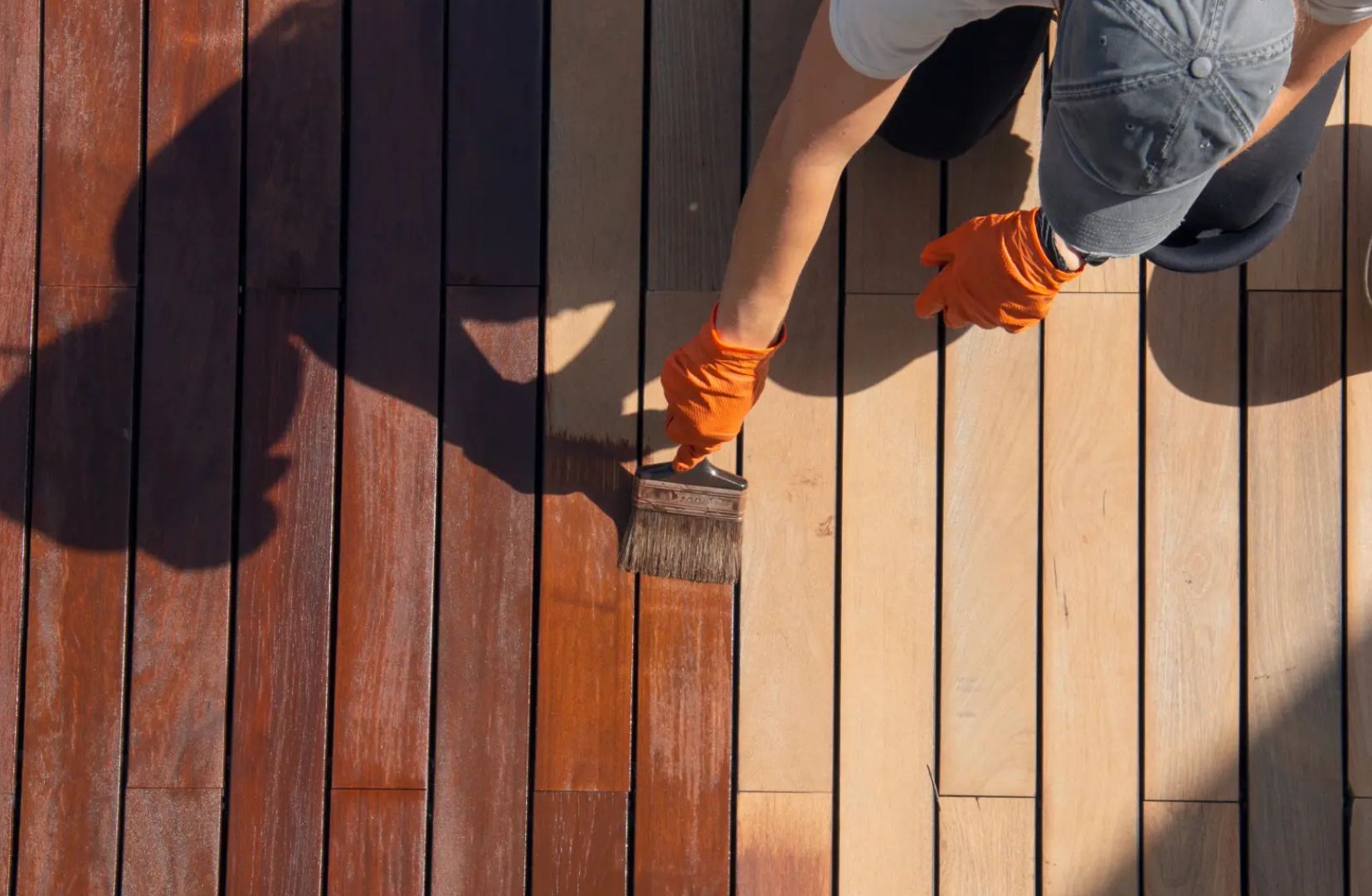
A well-maintained deck can become one of the most inviting parts of a home. It provides a comfortable setting for morning coffee, family meals, weekend gatherings, and quiet evenings outdoors. However, because decks are constantly exposed to sunlight, rain, temperature changes, moisture, dirt, and everyday foot traffic, their appearance can gradually deteriorate. Wood may fade, become discolored, develop small cracks, or lose the fresh appearance it had when it was first installed. A thoughtful maintenance routine can help prevent these problems while extending the useful life of the entire structure. Among the most effective ways to refresh an aging outdoor surface is professional deck painting, which can improve both appearance and protection when the appropriate preparation and materials are used.
Why Deck Maintenance Matters
Outdoor wooden surfaces experience considerably more environmental stress than most interior surfaces. Ultraviolet rays can break down the natural appearance of wood, causing it to lose its original color and become gray or faded. Rain and humidity can introduce moisture into the material, while repeated drying can cause expansion and contraction. Over time, these cycles may contribute to surface deterioration, splitting, and other visible imperfections.
Regular maintenance is therefore more than an aesthetic concern. A neglected deck can eventually require extensive repairs if minor problems are allowed to continue unchecked. Peeling finishes, accumulated dirt, mildew, and exposed wood can make routine upkeep increasingly difficult. Maintaining the surface at appropriate intervals allows homeowners to identify potential issues earlier and address them before they become more complicated.
A fresh coating can also create a cleaner and more cohesive outdoor appearance. Whether the goal is to complement the home’s exterior, create a modern entertaining area, or simply restore a tired-looking surface, the right finish can make a noticeable difference. The key is to approach the project as a combination of preparation, product selection, application, and ongoing care rather than treating it as a simple cosmetic task.
Understanding the Difference Between Paint and Other Finishes
Before starting a project, it is important to understand how different coating products behave. Paint generally provides more visible color and can create a uniform appearance across the surface. Depending on the product, it may also offer a protective barrier against moisture and everyday wear.
Stains work differently. Many stains are designed to penetrate the wood while allowing some of the natural grain to remain visible. This can be particularly attractive when the character and texture of the wood are important to the overall design. Transparent and semi-transparent products tend to emphasize natural grain, while solid stains provide greater color coverage without always producing the completely opaque appearance associated with paint.
The best option depends on the condition of the surface, the desired appearance, the type of wood, and the amount of maintenance the homeowner is willing to perform. A professional can evaluate these factors and recommend a suitable coating system rather than relying solely on color preference.
Preparing the Surface Before Applying a Finish
Proper preparation is one of the most important stages of any exterior coating project. Even a premium product can fail prematurely if it is applied over dirt, loose material, mildew, or an unstable previous coating. Preparation creates the foundation for better adhesion and a more consistent final appearance.
The process typically begins with a thorough inspection. Loose boards, protruding fasteners, damaged areas, and deteriorated wood should be identified before painting begins. Any structural or repair concerns should be addressed separately so that the coating is not used to conceal problems that require actual correction.
Cleaning is another essential step. Outdoor surfaces can collect dust, pollen, grease, leaves, and organic growth. These contaminants can interfere with adhesion and create uneven results. Depending on the condition of the deck and the manufacturer’s recommendations, appropriate cleaning solutions and methods can remove accumulated residue without unnecessarily damaging the wood.
After cleaning, the surface needs enough time to dry thoroughly. Applying a coating while the wood is excessively damp can interfere with adhesion and may contribute to premature failure. Once the surface is dry, remaining loose paint or finish can be removed, and rough areas may be lightly sanded where appropriate. The objective is not necessarily to make every board look brand new but to create a stable, clean, and reasonably uniform surface for the new coating.
Choosing the Right Product
Product selection should be based on performance as well as appearance. Exterior coatings are formulated to withstand conditions that interior paints are not designed to handle. A product intended specifically for outdoor wood surfaces is generally better suited to the movement, moisture exposure, and temperature fluctuations associated with a deck.
Durability is particularly important in high-traffic areas. A coating that looks attractive when first applied but cannot withstand regular use may require frequent touch-ups. Homeowners should therefore consider expected foot traffic, exposure to weather, the type of wood, and the manufacturer’s recommended application conditions.
The finish also matters. Some homeowners prefer a smooth, solid-color appearance, while others want the natural texture of the wood to remain visible. Color can influence the perceived size and atmosphere of an outdoor area as well. Lighter shades may create an open, airy impression, whereas deeper tones can provide a richer and more dramatic appearance.
It is also important to read the product label carefully. Manufacturers specify suitable surfaces, drying times, temperature ranges, recoat intervals, and application methods. Following those instructions can significantly improve the likelihood of achieving a durable result.
The Importance of Professional Application
Although painting a deck may appear straightforward, achieving an even and long-lasting finish requires attention to detail. Professional deck painting involves more than simply spreading coating across the boards. The applicator needs to account for surface condition, grain direction, edges, gaps, railings, stairs, and areas that receive different levels of exposure.
Application should generally be performed under suitable weather conditions. Excessive heat, direct intense sunlight, high humidity, or unexpected rain can affect drying and curing. Working within the manufacturer’s recommended conditions gives the coating a better opportunity to form the intended protective film.
Consistent application is equally important. Applying too little product can leave areas inadequately protected, while excessive application can create uneven texture, extended drying times, or other problems. Experienced professionals understand how to maintain an appropriate coating thickness while working systematically across the surface.
Attention should also be given to difficult areas. Railings, stair edges, corners, vertical boards, and spaces around fasteners can be easy to overlook. These areas contribute significantly to the finished appearance, so careful application helps create a more polished result.
Color Selection and Outdoor Design
Color is one of the most noticeable aspects of a deck renovation. The right shade can connect the outdoor living area with the architectural character of the home and surrounding landscape. Instead of selecting a color based only on a small sample, it is useful to consider how the shade will look across a large horizontal surface under changing natural light.
Neutral tones are often versatile because they can work with a broad range of furniture and exterior colors. Earth-inspired shades can create a natural connection with gardens, trees, and other landscaping elements. Darker colors may produce a sophisticated appearance but can also become warmer when exposed to direct sunlight. Lighter colors can provide a brighter visual effect and may help the space feel more open.
The surrounding materials should also be considered. Exterior walls, doors, railings, fencing, furniture, and landscaping all contribute to the overall visual balance. A deck color does not need to match everything exactly; instead, it should complement the existing design.
Testing a small area before committing to a full application is a practical way to evaluate the color. Natural lighting can change throughout the day, so viewing the test area at different times can provide a more accurate impression than relying solely on a store sample.
Protecting the Deck From Moisture and Sunlight
A quality exterior finish can help reduce the impact of environmental exposure, but no coating eliminates the need for maintenance. Moisture management remains particularly important because standing water can accelerate deterioration. Homeowners should keep drainage areas clear and avoid allowing leaves, dirt, or other debris to remain trapped on the surface for extended periods.
Sun exposure can also affect the appearance of a finish. Ultraviolet radiation gradually changes many exterior coatings, even those designed for outdoor use. Selecting a product formulated for exterior exposure can improve resistance, but periodic inspection is still necessary.
Small changes should be addressed before they become significant. If a section begins to peel, crack, or show unusual discoloration, identifying the cause is more useful than simply applying another layer over the affected area. The problem may be related to moisture, poor adhesion, surface contamination, or normal wear, and each situation may require a different solution.
Common Mistakes to Avoid
One of the most frequent mistakes is rushing the preparation stage. Homeowners may be eager to see the finished color and therefore skip cleaning, drying, or removing unstable old coatings. Unfortunately, these shortcuts can reduce the lifespan of the new finish.
Another mistake is choosing a product based entirely on price. The least expensive option may not always provide the durability or performance required for an exposed outdoor surface. Considering the expected service life, coverage, maintenance requirements, and suitability for the material provides a more useful basis for comparison.
Applying a coating under unsuitable weather conditions is another common problem. Even when the surface appears dry, environmental conditions can influence how quickly the coating cures. Following the product’s instructions is therefore essential.
It is also unwise to ignore repairs. Painting over damaged boards or loose components can temporarily improve their appearance without solving the underlying problem. A successful renovation should address the condition of the surface before the decorative finish is applied.
How Often Should a Deck Be Refinished?
There is no universal schedule because the appropriate maintenance interval depends on several factors. Climate, sunlight exposure, traffic, wood type, coating quality, and previous preparation can all influence how long a finish remains effective.
Instead of relying exclusively on a calendar, homeowners should inspect the surface regularly. Fading, peeling, increased roughness, visible wear, and areas where the underlying material becomes exposed can indicate that maintenance is becoming necessary. A deck that receives heavy use or intense weather exposure may require attention sooner than a sheltered surface.
Regular cleaning can help preserve the appearance between major refinishing projects. Removing leaves, dirt, and other debris reduces the opportunity for moisture and organic material to remain against the surface. Simple inspections can also help identify developing issues while repairs are still manageable.
Maintaining the Fresh Appearance
Once the project is complete, maintenance becomes the key to preserving the investment. Sweeping the surface periodically can prevent dirt and debris from accumulating. Spills should be addressed promptly, particularly when they contain grease or substances that may stain the coating.
Furniture can also affect the finish. Dragging heavy chairs or tables across the surface can create scratches and premature wear. Using appropriate protective pads and lifting furniture when it needs to be moved can reduce unnecessary damage.
During routine inspections, homeowners should look closely at high-traffic areas, stairs, railings, and sections exposed to frequent moisture. These locations often show wear before less-used parts of the deck. Addressing localized deterioration early can help prevent the need for a much larger restoration project later.
Professional maintenance can be especially valuable when the surface has extensive wear or when homeowners are uncertain about which products and preparation methods are appropriate. Experienced contractors can identify conditions that may not be obvious during a quick visual inspection and can tailor the preparation and coating process accordingly.
Creating a Long-Lasting Outdoor Investment
A deck is more than an outdoor floor. When maintained properly, it can function as an extension of the home’s living space and provide a comfortable setting for entertaining, relaxing, and enjoying the outdoors. Keeping that space attractive requires an understanding of how wood reacts to environmental conditions and how protective coatings perform over time.
Professional deck painting can provide a practical way to refresh an aging surface while giving the outdoor area a more consistent and attractive appearance. However, the quality of the final result depends on the entire process. Careful inspection, thorough cleaning, appropriate repairs, proper drying, suitable product selection, and correct application all contribute to the durability of the finish.
Homeowners should also think beyond the initial transformation. A successful project is one that continues to perform well after the first few weeks. Routine cleaning, sensible furniture placement, prompt attention to damage, and periodic inspections can help preserve the coating and the wood beneath it.
Ultimately, the most effective approach combines visual goals with practical considerations. Selecting an attractive color is important, but so are surface preparation, weather resistance, maintenance requirements, and product compatibility. By treating the project as a complete maintenance investment rather than a quick cosmetic update, homeowners can create an outdoor space that remains welcoming and functional for years to come.
A carefully planned deck painting project can therefore deliver more than a fresh appearance. It can help renew the character of an outdoor living area, support ongoing surface protection, and make the space feel more enjoyable and cared for. With the right preparation, materials, application techniques, and maintenance routine, a tired deck can be transformed into a polished feature that complements the home and provides a reliable place for outdoor living.

