


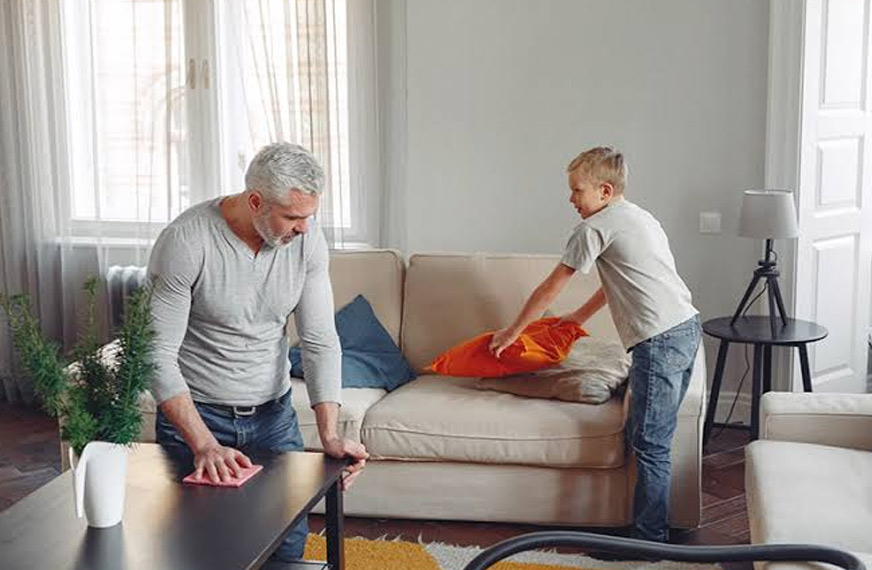
Keeping an apartment clean is an important part of creating a comfortable, organized, and welcoming home. A clean living environment can make everyday activities easier, reduce unnecessary clutter, and help rooms feel more spacious. However, maintaining cleanliness can become challenging when work, family responsibilities, social commitments, and personal activities take up most of the day. A consistent cleaning routine makes the process more manageable because small tasks can be completed before dirt and clutter become overwhelming. With the right approach, apartment cleaning can become a practical part of a regular household routine rather than a stressful chore that is postponed until the last minute.
Why Regular Cleaning Matters
Regular cleaning is about much more than making an apartment look attractive. Dust, crumbs, stains, pet hair, and general clutter can accumulate quickly when everyday cleaning is ignored. Kitchens and bathrooms usually require particular attention because they experience frequent use and can develop unpleasant odors or visible buildup. Living rooms and bedrooms also benefit from regular dusting, vacuuming, organizing, and surface cleaning. A consistent approach allows residents to notice small problems before they become difficult to handle. Instead of spending an entire day dealing with a heavily neglected home, apartment cleaning can be divided into simple tasks that require less time and effort throughout the week.
Creating a Practical Cleaning Routine
A successful cleaning routine should match the household’s schedule rather than create additional pressure. Some people prefer completing a few tasks every day, while others may reserve specific days for deeper cleaning. The most important factor is consistency. A daily routine might include making the bed, wiping frequently used surfaces, washing dishes, removing visible clutter, and sweeping high-traffic areas. Weekly tasks can include cleaning bathrooms, vacuuming thoroughly, changing bedding, mopping floors, and dusting furniture. By separating daily, weekly, and monthly responsibilities, apartment cleaning becomes easier to organize and less likely to be forgotten.
Start With Decluttering
Cleaning is much easier when unnecessary items are removed before surfaces and floors are washed. Clutter can make even a recently cleaned apartment appear untidy because too many objects compete for limited space. Begin by returning misplaced belongings to their proper locations and separating items that are no longer useful. Clothes, books, kitchen equipment, paperwork, and miscellaneous possessions can gradually be sorted rather than handled all at once. Storage baskets, shelves, cabinets, and containers can help keep frequently used items organized. Decluttering before apartment cleaning also makes it easier to reach surfaces, corners, floors, and other areas that might otherwise remain hidden beneath piles of belongings.
Cleaning the Living Room
The living room often receives considerable daily activity, making it one of the first areas where dust and clutter become noticeable. Start by collecting cups, dishes, clothing, books, toys, and other objects that do not belong in the room. Dust shelves, tables, entertainment units, lamps, frames, and other surfaces before vacuuming or sweeping the floor. Upholstered furniture should also receive attention because dust and small particles can settle between cushions and along seams. Curtains, rugs, and decorative items should be cleaned according to their material and care requirements. A consistent apartment cleaning routine helps the living room remain comfortable without requiring a major cleaning session every time guests are expected.
Keeping the Kitchen Fresh
The kitchen requires frequent attention because food preparation naturally produces spills, crumbs, grease, and odors. Dishes should ideally be washed or placed in the dishwasher promptly so that food residue does not become difficult to remove. Countertops, stovetops, cabinet handles, sinks, and frequently touched appliances should be cleaned regularly. The refrigerator should occasionally be checked for expired food, spills, and items that need to be discarded. Floors should be swept frequently and mopped whenever necessary, particularly around cooking and dining areas. Effective apartment cleaning in the kitchen is easier when spills are handled immediately instead of being allowed to dry and become stubborn stains.
Maintaining Clean Bathrooms
Bathrooms need a reliable cleaning routine because moisture and frequent use can contribute to soap residue, mineral deposits, unpleasant odors, and surface buildup. Toilets, sinks, showers, bathtubs, mirrors, floors, and frequently touched fixtures should all be included in the cleaning schedule. Ventilation is also important because excessive moisture can make the room feel damp and may contribute to unwanted growth on suitable surfaces. Towels should be replaced regularly, while bath mats should be washed according to their care instructions. Keeping toiletries organized also makes cleaning faster because fewer objects need to be moved. Regular apartment cleaning prevents bathroom maintenance from turning into a time-consuming project.
Paying Attention to Bedrooms
Bedrooms should feel calm and organized because they are used for rest and relaxation. Making the bed each morning can immediately improve the appearance of the room and create a sense of order. Bedding should be changed regularly, while pillows, blankets, mattresses, and curtains should receive appropriate care based on their materials. Dust can collect on bedside tables, shelves, headboards, and other surfaces, so these areas should be included in routine cleaning. Clothes should be placed in wardrobes, drawers, laundry baskets, or other designated areas rather than left on the floor. Including bedrooms in apartment cleaning routines helps maintain a more pleasant environment and reduces the amount of clutter that accumulates over time.
Cleaning Floors Effectively
Different flooring materials require different cleaning methods, so it is important to follow the manufacturer’s care recommendations whenever possible. Hard floors may need regular sweeping, vacuuming, and occasional mopping, while carpets and rugs usually benefit from frequent vacuuming to remove dust and debris. Corners, areas beneath furniture, and spaces around appliances can easily be overlooked during quick cleaning sessions. Moving lightweight furniture occasionally can help expose areas that are not reached during everyday maintenance. Cleaning floors regularly also helps prevent dirt from being transferred throughout the apartment. A planned apartment cleaning schedule should therefore include both visible flooring areas and less noticeable spaces.
Managing Dust and Allergens
Dust can settle quickly on furniture, shelves, electronics, window areas, and decorative objects. Using suitable cleaning tools can make dust removal more efficient and reduce the chance of simply moving particles from one surface to another. Soft microfiber cloths can be useful for many surfaces, while vacuum cleaners with appropriate attachments can help reach upholstery, corners, and other difficult areas. Bedding and washable fabrics should also be maintained regularly because they can collect dust and other particles. Air circulation and appropriate ventilation can further support a comfortable indoor environment. Consistent apartment cleaning can make routine dust management much easier because less buildup occurs between cleaning sessions.
Organizing Cleaning Supplies
Keeping cleaning products organized can save considerable time during household chores. Supplies should be stored in a safe, designated location where they are easy to find when needed. It can be useful to group products according to their purpose, such as kitchen cleaning, bathroom care, floor maintenance, and general surface cleaning. Cloths, brushes, sponges, gloves, buckets, and other reusable tools should also be washed or replaced when necessary. Cleaning products should always be used according to their labels, and incompatible chemicals should never be mixed. An organized supply system makes apartment cleaning more efficient because residents do not have to spend unnecessary time searching for basic tools.
Deep Cleaning Versus Routine Cleaning
Routine cleaning and deep cleaning serve different purposes. Routine cleaning focuses on everyday maintenance, such as removing clutter, wiping surfaces, vacuuming, and cleaning commonly used areas. Deep cleaning involves more detailed work, including cleaning behind furniture, washing hard-to-reach surfaces, organizing cabinets, cleaning fixtures, and addressing areas that are not handled every week. Deep cleaning does not necessarily need to happen all at once. Dividing larger tasks across several weeks can make them easier to manage. When routine apartment cleaning is performed consistently, deep cleaning sessions can often be shorter because dirt and clutter have not been allowed to accumulate excessively.
Making Cleaning More Efficient
Efficiency comes from having a clear order of tasks and avoiding unnecessary repetition. Many people find it helpful to begin with decluttering before moving on to dusting, surface cleaning, and floors. Cleaning from higher surfaces toward lower areas can prevent dust from settling on places that have already been cleaned. Completing similar tasks together can also save time, such as dusting several rooms before switching to vacuuming. Setting a reasonable time limit for routine chores can make cleaning feel more manageable. With an efficient apartment cleaning strategy, residents can maintain their homes without feeling that household chores consume the entire day.
The Value of Consistency
A clean apartment is usually the result of repeated small efforts rather than a single large cleaning session. When dishes are handled promptly, clutter is put away, spills are cleaned quickly, and frequently used surfaces receive regular attention, the overall workload becomes smaller. Household members can also share responsibilities so that one person does not have to manage every task. Simple checklists can help everyone understand what needs to be completed and when. Over time, these habits become part of normal daily life rather than feeling like additional obligations. Consistent apartment cleaning creates a more organized home while making future cleaning sessions easier and more predictable.
Conclusion
Maintaining a clean apartment does not require perfection or spending every free moment doing household chores. The key is to establish realistic habits that fit naturally into everyday life. Decluttering, organizing, cleaning frequently used spaces, caring for floors, maintaining kitchens and bathrooms, and regularly refreshing bedrooms can all contribute to a more comfortable home. A practical schedule also prevents small tasks from becoming overwhelming responsibilities. By approaching apartment cleaning as a collection of manageable routines instead of one enormous task, residents can keep their living spaces cleaner, more organized, and easier to enjoy throughout the year.

