


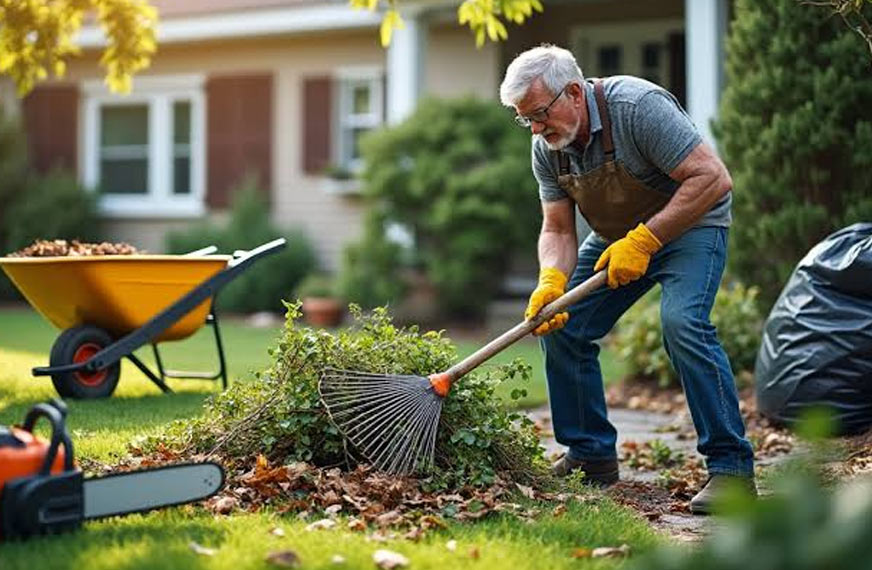
Property cleanup can become a challenging task when large amounts of unwanted material accumulate after construction, renovation, landscaping, moving, storms, or general maintenance. Broken furniture, damaged building materials, branches, packaging, old fixtures, concrete pieces, and household waste can quickly occupy valuable space and make an otherwise usable property appear neglected. Debris removal offers a practical way to restore order and improve the condition of the surrounding area. A successful cleanup involves more than simply gathering unwanted materials into a pile. It requires proper sorting, safe handling, suitable transportation, responsible disposal, and careful attention to the condition of the property. Understanding these steps can help property owners manage cleanup projects efficiently while reducing unnecessary risks, delays, and expenses.
Understanding the Different Types of Debris
Debris can come from many different sources, and the type of material involved often determines how it should be handled. Construction debris may include drywall, lumber, flooring, broken fixtures, packaging, and concrete, while landscaping projects can produce branches, leaves, roots, soil, and brush. Storm damage may create fallen branches, damaged fencing, roofing materials, and scattered objects. Moving or property cleanouts can generate furniture, appliances, cardboard, household items, and general waste. Debris removal begins with identifying these materials and separating them according to their characteristics. Proper classification makes it easier to determine which items can be reused, recycled, donated, processed, or disposed of through an appropriate waste-management method.
Why Prompt Cleanup Is Important
Allowing debris to remain on a property for an extended period can create several problems. Loose materials can become tripping hazards, sharp objects may cause injuries, and large piles can block walkways, driveways, entrances, and work areas. Organic debris can also attract insects or rodents when conditions are suitable. Debris removal helps restore access to affected areas and reduces the possibility of accidents caused by scattered or unstable materials. Prompt cleanup can also make it easier to identify damage to landscaping, structures, or surfaces that may have been hidden beneath debris. Addressing waste sooner rather than later can prevent a small cleanup task from becoming a much larger project.
Construction and Renovation Cleanup
Construction and renovation projects often generate significant amounts of waste throughout the work process. Materials such as old flooring, cabinets, drywall, wood, packaging, insulation, fixtures, and damaged components can accumulate rapidly. Debris removal should ideally be incorporated into the project plan instead of being postponed until every construction task has been completed. Removing unnecessary materials regularly keeps work areas more accessible and can improve safety for contractors and other workers. Separating recyclable materials from general waste can also make disposal more efficient. Once construction is complete, a final cleanup can address smaller fragments, dust, packaging, and remaining materials that were not removed during earlier stages.
Managing Landscaping Debris
Yard improvement and landscaping projects can produce substantial quantities of organic waste. Tree branches, shrubs, leaves, grass, roots, soil, and other materials can quickly form large piles, particularly after extensive trimming or property clearing. Debris removal can help restore open areas and prepare the landscape for new planting, lawn installation, or other improvements. Smaller branches and organic material may sometimes be chipped or composted, depending on their condition and available disposal options. Larger logs and heavy root sections may require specialized equipment for safe movement. Properly organizing landscaping waste can also make it easier to distinguish useful materials from those that need to be transported elsewhere.
Handling Storm-Related Debris
Severe weather can create unexpected cleanup challenges by damaging trees, fences, roofs, sheds, outdoor furniture, and other property features. Wind can scatter materials across a wide area, while heavy rain can move debris into drainage areas and other low points. Debris removal after storm damage should begin with a careful inspection of the property because some materials may be unstable or dangerous. Downed electrical lines, severely damaged structures, and unstable trees should not be approached without qualified assistance. Once the area is considered safe, branches, broken materials, and other debris can be collected and sorted. A careful process helps prevent additional damage while restoring access to the property.
Preparing Before Cleanup Begins
Good preparation can make a debris cleanup project more organized and efficient. Before work begins, the property should be inspected to determine the approximate amount and type of material that needs to be removed. Access points should be identified so workers and equipment can move safely through the property. Debris removal may require containers, trucks, trailers, lifting equipment, dollies, or other tools depending on the size of the project. Fragile landscaping, fences, buildings, vehicles, and outdoor features should be considered when planning the movement of materials. A clear plan can reduce unnecessary handling and help prevent accidental damage to areas that are not part of the cleanup.
Sorting Materials for Proper Disposal
Sorting debris before transportation can make the entire cleanup process more efficient. Recyclable materials, reusable items, organic waste, general garbage, and specialized materials should be separated whenever practical. Debris removal becomes more manageable when each category is placed in the appropriate container or designated area. Metals, cardboard, clean wood, and certain other materials may have recycling opportunities, while reusable furniture and household goods may be suitable for donation. Some materials may require specialized handling because they contain chemicals, fuels, batteries, or other potentially hazardous substances. Keeping these categories separate can reduce disposal complications and help ensure that materials are handled appropriately.
Safe Handling of Heavy Materials
Large pieces of debris can present serious handling challenges because of their weight, size, shape, or sharp edges. Broken concrete, appliances, furniture, large branches, and construction materials may require multiple workers or specialized equipment. Debris removal should be organized so that heavy materials are moved in a controlled manner without creating unnecessary strain or instability. Workers should use suitable protective equipment and safe lifting practices. Loads should also be distributed properly when placed into containers or vehicles. Overloading equipment or attempting to move materials that exceed its capacity can create significant safety concerns, so heavy items should be handled with appropriate tools and planning.
Selecting the Right Container
The correct container depends on the volume and type of debris being collected. Small property cleanouts may require only basic hauling equipment, while major renovation or construction projects may require larger containers. Debris removal providers may offer different container sizes to accommodate varying project requirements. The material placed inside the container should be compatible with its intended use, especially when dealing with heavy, sharp, wet, or bulky items. Containers should not be overloaded beyond their safe capacity. Selecting an appropriate container at the beginning of a project can reduce unnecessary trips and help keep the cleanup area organized.
Transportation and Loading Considerations
Once debris has been collected and sorted, it needs to be transported safely to the appropriate destination. Debris removal requires careful loading so that materials remain stable during transportation and do not fall from vehicles. Heavy objects should be positioned appropriately, while loose materials may need to be secured or contained. Vehicle capacity and weight limits should always be respected. Different types of debris may also require transportation to different facilities, particularly when recycling or specialized disposal is involved. Planning transportation before the cleanup begins can prevent delays and help ensure that the collected materials are handled responsibly.
Safety During Cleanup
Safety should remain a priority from the first inspection through the final cleanup. Debris can contain nails, broken glass, sharp metal, splintered wood, unstable materials, and other hazards. Workers should wear suitable gloves, footwear, eye protection, and other protective equipment appropriate for the task. Children and pets should be kept away from active work areas. Unstable piles should not be climbed or disturbed unnecessarily because materials may shift without warning. If hazardous substances, damaged utility lines, or structurally unstable objects are discovered, work should stop in the affected area until the appropriate professionals can assess the situation. A careful approach helps reduce preventable accidents.
Recycling and Reusing Materials
Not every unwanted item needs to be discarded. Many materials can be reused, repurposed, donated, or recycled depending on their condition. Debris removal can include separating useful items from materials that are no longer suitable for use. Clean wood may be repurposed for certain projects, metals can often enter recycling streams, and usable furniture may be donated. Cardboard and some packaging materials may also be recyclable. Reusing and recycling materials can reduce the amount of waste sent for disposal while making better use of available resources. Property owners should determine appropriate options based on the condition and type of each material.
Cleaning After Debris Has Been Removed
Removing large debris does not always complete the cleanup process. Small fragments, dust, sawdust, leaves, packaging pieces, and other residue may remain after the main materials have been transported away. Debris removal should therefore be followed by a final cleaning when appropriate. Floors may need sweeping or vacuuming, while surfaces, pathways, and outdoor areas may require additional attention. A final inspection can reveal materials that were hidden beneath larger piles. Cleaning after removal can make the property more presentable and restore it to a condition suitable for normal use, construction, landscaping, or occupancy.
Debris From Moving and Property Cleanouts
Moving and property cleanouts can produce significant quantities of unwanted materials. Old furniture, broken appliances, boxes, packaging, damaged belongings, and items that are no longer needed may all require removal. Debris removal can help clear rooms, garages, storage areas, and outdoor spaces after belongings have been sorted. Usable items can be separated for donation or reuse, while damaged or unsuitable materials can be directed toward appropriate disposal methods. Large furniture and appliances may require additional labor or specialized transportation. Clearing these items can make a property easier to clean and prepare for new occupants, renovation, sale, or another purpose.
Benefits of Professional Assistance
Small cleanup projects may be manageable for property owners when the materials are limited and easy to transport. Larger projects can become much more demanding when heavy materials, large volumes, difficult access, or tight deadlines are involved. Debris removal professionals may have specialized vehicles, containers, equipment, and trained workers to handle these situations more efficiently. Professional assistance can also reduce the amount of time property owners need to spend sorting, loading, transporting, and disposing of unwanted materials. Before hiring a provider, it is helpful to explain the type and approximate quantity of debris, access conditions, desired cleanup level, and disposal expectations. Clear communication can help ensure that the service is appropriate for the project.
Estimating Cleanup Costs
The total cost of a cleanup project can vary based on several factors. The amount and type of debris, labor requirements, container size, transportation needs, equipment requirements, and disposal fees may all affect the final price. Debris removal estimates should ideally describe which services are included, such as collection, loading, hauling, disposal, container rental, and final sweeping. Property owners should ask questions if any part of the estimate is unclear. Comparing providers based on the complete scope of work can be more useful than comparing prices alone. A detailed estimate can help prevent unexpected charges and make it easier to plan the project budget.
Preventing Future Debris Accumulation
Good organization during construction, landscaping, moving, and renovation projects can reduce the amount of debris that accumulates at one time. Materials can be sorted as they are generated instead of being mixed into a large pile. Debris removal can be scheduled at regular stages of a long project so that work areas remain clear. Reusable materials can be stored safely, while recyclable items can be separated early. Property owners can also reduce waste by donating usable furniture and household goods instead of automatically discarding them. A planned approach to waste management can make final cleanup faster and help maintain safer working conditions throughout the project.
Conducting a Final Property Inspection
After the main cleanup is complete, the property should be inspected carefully. Walkways, driveways, lawns, gardens, entrances, drainage areas, and spaces around structures should be checked for remaining debris. Debris removal should ideally leave the property reasonably clear and accessible for its intended use. Small items such as nails, broken pieces, branches, packaging fragments, and other materials can sometimes remain after larger objects have been collected. A final inspection provides an opportunity to identify and remove these overlooked items. If the cleanup followed construction or storm damage, the inspection can also reveal areas requiring repair or additional maintenance.
Conclusion
Effective property cleanup requires more than simply collecting unwanted materials and placing them in a pile. Construction, renovation, landscaping, storms, moving, and general maintenance can all generate different types of debris that require careful handling. Debris removal provides a practical way to clear these materials, improve safety, restore access, and prepare a property for its next use. Successful cleanup involves identifying the materials, sorting them appropriately, using suitable equipment, loading and transporting them safely, and selecting responsible disposal or recycling options. Smaller projects may be handled independently, while larger or more complicated jobs can benefit from professional assistance. With proper planning and a final inspection, property owners can achieve a cleaner, safer, and more organized environment while reducing unnecessary waste and hazards.

