


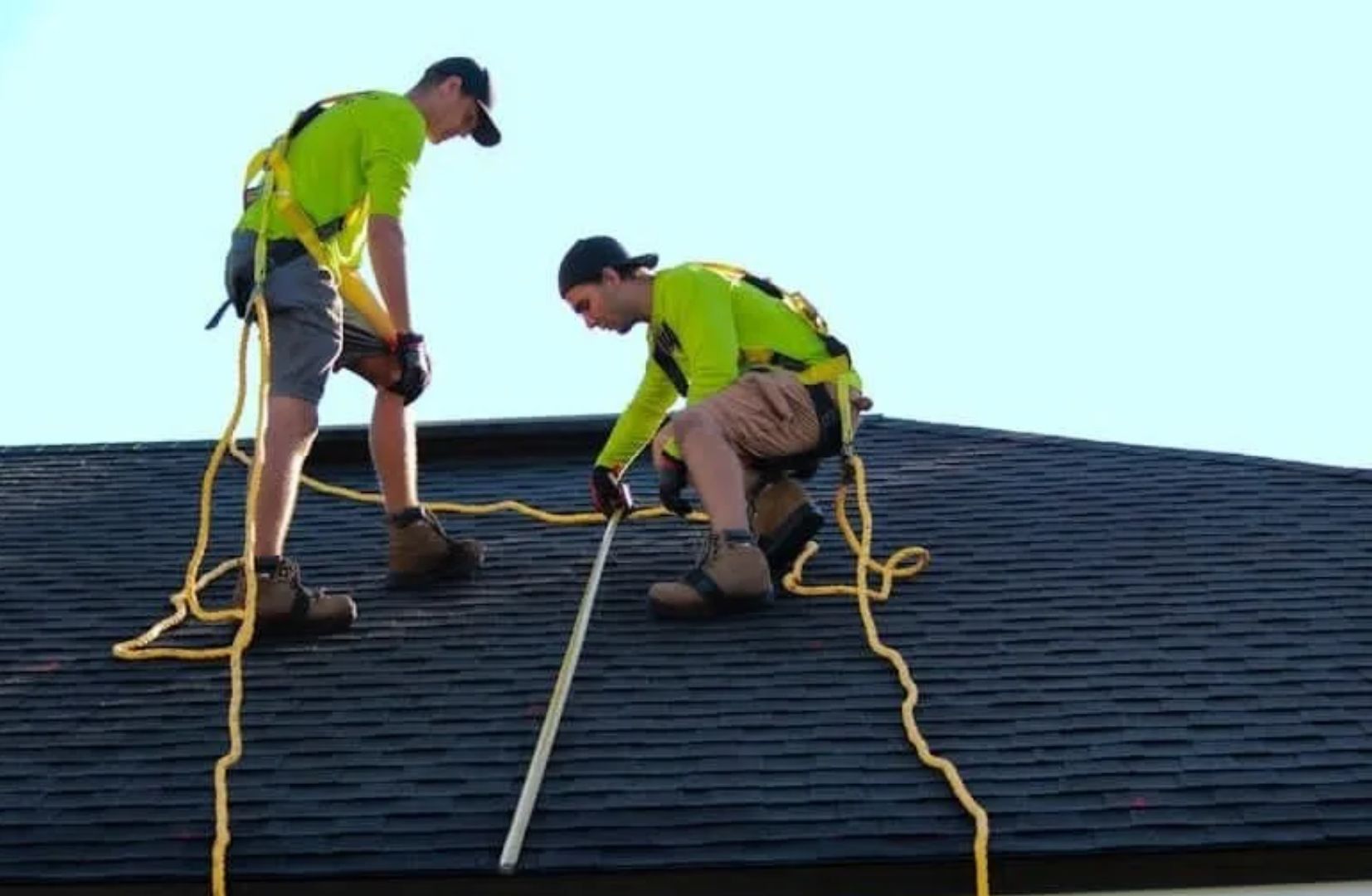
A roof is one of the most important protective features of any home. It shields the interior from rain, wind, snow, sunlight, and changing temperatures while helping maintain a comfortable indoor environment. Because the roof is constantly exposed to the elements, damage can develop gradually or appear suddenly after severe weather. Recognizing the warning signs early can help homeowners address problems before they become more expensive and complicated.
Knowing when roof repair may be necessary is especially important because some roofing problems are easy to overlook. A small leak, damaged shingle, or deteriorating flashing can eventually lead to moisture damage, insulation problems, or structural concerns. Regular attention to the condition of the roof allows homeowners to respond before minor issues become major repairs.
Missing or Damaged Shingles
Shingles provide the roof’s first line of defense against weather. Over time, they can become cracked, curled, loose, or completely detached. Strong winds, hail, falling branches, and prolonged exposure to sunlight can all contribute to shingle damage.
Missing shingles are particularly important to address because they leave areas of the roof exposed to water. Even when the damage appears limited, moisture can work beneath surrounding shingles and affect the roof deck. Homeowners should inspect their roofs after significant storms and look for visible changes in the shingle surface.
Water Stains on Ceilings or Walls
One of the clearest signs of a roofing problem is a water stain inside the home. Brown or yellow discoloration on ceilings and upper walls may indicate that water is entering through the roof.
A leak does not always appear directly below the damaged area. Water can travel along roof decking, insulation, rafters, and other surfaces before becoming visible indoors. For this reason, simply covering the stain may not solve the underlying problem.
If water stains appear or become larger after rainfall, homeowners should investigate the source promptly. Addressing the problem early can reduce the risk of damaged insulation, wood deterioration, and interior repairs.
Sagging Areas on the Roof
A roof that appears uneven or begins to sag can indicate a more serious issue. Sagging may result from prolonged moisture exposure, weakened structural materials, inadequate support, or excessive weight.
Unlike minor surface damage, structural concerns should not be ignored. A noticeable dip or sagging section can become worse over time, particularly when the roof continues to absorb moisture. Homeowners who notice changes in the roof’s shape should have the area evaluated by a qualified roofing professional.
Granules Collecting in Gutters
As asphalt shingles age, they gradually lose some of their protective granules. These small particles often wash into gutters and downspouts during rainfall.
A small amount of granule loss can be normal, especially with older shingles. However, a large amount of granules collecting in the gutters may indicate that the shingles are deteriorating more quickly. Excessive granule loss can reduce the roof’s ability to withstand sunlight and weather exposure.
Checking gutters during routine maintenance can therefore provide useful information about the overall condition of the roof.
Damaged Flashing Around Roof Features
Flashing is installed around areas where the roof meets chimneys, vents, skylights, walls, and other structures. These locations are especially vulnerable because they create transitions where water can potentially enter.
Cracked, loose, corroded, or improperly sealed flashing can allow moisture into the roofing system. In some cases, the resulting leak may not be visible until water reaches the ceiling or walls inside the home.Because flashing problems can be difficult to identify from the ground, professional inspection may be necessary when there are signs of moisture around roof penetrations.
The attic can reveal roofing problems before they become obvious inside living spaces. Moisture, damp insulation, mold growth, or dark staining on wooden components may indicate that water is getting into the roofing system.Poor attic ventilation can also contribute to condensation, so not every moisture problem necessarily comes from a roof leak. Determining the source is important because treating visible mold or replacing insulation without addressing the underlying cause may allow the problem to return.
Daylight Visible Through the Roof
A properly functioning roof should not allow outside light to enter through gaps in the roofing system. If daylight is visible through the roof decking from inside the attic, there may be holes, gaps, damaged materials, or areas where components have separated.
Even small openings can allow rain, insects, and outside air to enter. These areas should be inspected carefully, particularly if daylight is accompanied by water stains or dampness.A damaged or poorly performing roof can sometimes contribute to higher heating and cooling costs. Missing shingles, deteriorated roofing materials, inadequate insulation, or ventilation problems may affect how effectively a home maintains indoor temperatures.
Higher energy bills alone do not prove that a roof is damaged, since many other factors can influence energy consumption. However, if rising utility costs occur alongside visible roofing problems or uncomfortable indoor temperatures, the roof and attic should be included in the inspection.
Storm Damage Should Be Checked Promptly
Severe weather can cause roof damage that is not immediately obvious. High winds can loosen shingles, hail can create impact damage, and fallen branches can damage roofing materials or underlying structures.
After a major storm, homeowners should look for missing shingles, visible debris, damaged flashing, dents, and other changes. Some damage may only become apparent during a professional inspection.Prompt attention after severe weather can help prevent temporary damage from developing into a larger moisture problem.
Not every roofing problem requires a complete replacement. Localized damage may be addressed through targeted repairs when the rest of the roof remains in good condition. On the other hand, widespread deterioration, extensive water damage, or an aging roofing system may make replacement a more practical long-term solution.The right approach depends on factors such as the extent of damage, condition of the underlying structure, age of the roofing materials, and history of previous repairs. A professional evaluation can help homeowners understand the condition of the roof and determine what work may be appropriate.
Regular Inspections Can Prevent Bigger Problems
Waiting until a leak appears inside the home is not always the best way to manage roof maintenance. Regular inspections can identify early signs of deterioration before they affect ceilings, walls, insulation, or structural components.
Homeowners should also keep gutters clear, trim branches that could damage the roof, check the attic for moisture, and inspect the roof after major storms. These simple maintenance steps can help extend the useful life of roofing materials.
When visible damage, leaks, or other warning signs appear, timely roof repair can help protect the home and prevent a small roofing issue from developing into a more extensive problem. Professional assessment is particularly valuable when the source or severity of the damage is difficult to determine.
Conclusion
Roof problems rarely improve when they are ignored. Missing shingles, water stains, sagging areas, damaged flashing, granule buildup, attic moisture, and storm damage can all indicate that a roof needs attention. Identifying these signs early gives homeowners an opportunity to address problems before they result in more extensive damage.
Regular inspections and routine maintenance are essential parts of responsible homeownership. When roofing issues are identified, appropriate roof repair can help maintain the roof’s protective function and preserve the condition of the home for years to come.

