


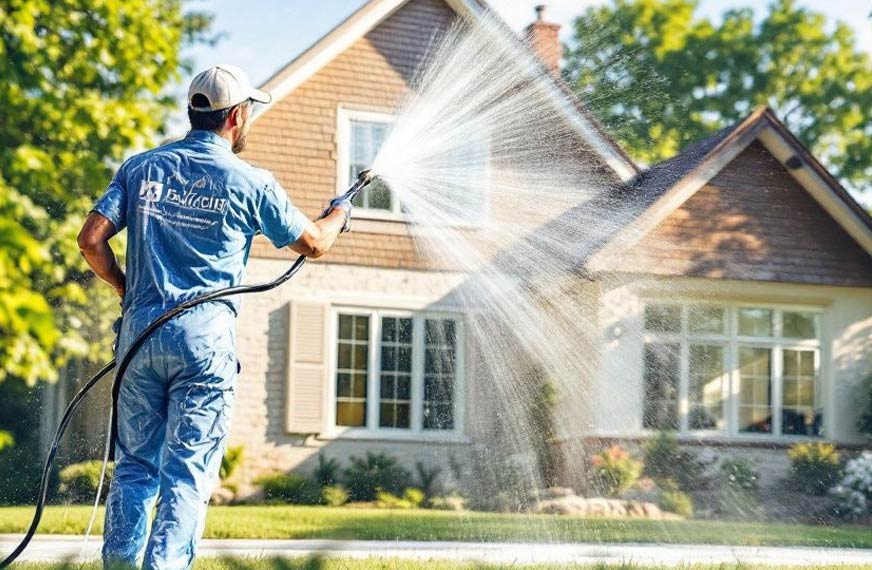
The exterior of a home is exposed to dust, rain, sunlight, wind, pollen, insects, moisture, and many other environmental elements throughout the year. Over time, these conditions can leave behind dirt, mold, mildew, algae, stains, and other forms of surface buildup that affect the appearance of the property. Regular house washing can help remove these unwanted contaminants while restoring a cleaner and fresher appearance to exterior surfaces. Proper cleaning can also make it easier to notice cracks, damaged siding, deteriorating paint, or other maintenance concerns that may otherwise remain hidden. With the right approach, homeowners can maintain their property’s exterior more effectively and reduce the accumulation of difficult stains.
Understanding Exterior Surface Buildup
Exterior surfaces can collect many different types of contaminants depending on weather conditions, surrounding vegetation, moisture levels, and the material used on the home. Dust and pollen may settle on siding and windows, while rain can leave behind mineral deposits and dirt streaks. Shaded or damp areas may develop mold, mildew, algae, or moss that becomes increasingly visible over time. House washing provides a practical method for removing these contaminants before they become deeply embedded in exterior materials. Understanding the source of the buildup is important because different substances may require different cleaning techniques, products, and levels of pressure for effective removal.
Why Regular Exterior Cleaning Matters
A home’s exterior is an important part of its overall appearance, and accumulated dirt can make even a well-maintained property appear neglected. Regular cleaning can remove substances that gradually dull surfaces and create unwanted discoloration. House washing can also support routine maintenance by revealing areas where paint has begun to peel, siding has become damaged, or caulking has deteriorated. Finding these problems early may make it easier to arrange appropriate repairs before they become more extensive. A consistent cleaning routine also reduces the amount of buildup that must be removed during future cleaning sessions, making long-term exterior maintenance more manageable.
Identifying Mold and Mildew
Mold and mildew are common concerns on exterior surfaces that remain damp or receive limited sunlight. They may appear as dark spots, green patches, gray discoloration, or other forms of organic growth. House washing can help remove visible mold and mildew from suitable surfaces, improving the overall appearance of the property. However, cleaning alone may not prevent these substances from returning if moisture problems continue. Leaking gutters, poor drainage, excessive shade, and vegetation growing too close to walls can all contribute to recurring moisture. Addressing these underlying conditions along with regular cleaning can provide more lasting exterior maintenance results.
Removing Algae and Organic Growth
Algae can create green, black, or dark-colored patches on siding, masonry, fences, and other exterior materials. It is particularly common where surfaces remain damp for extended periods. House washing can remove algae and other organic growth when the appropriate cleaning method is selected for the material. Strong pressure is not always necessary and can sometimes damage delicate surfaces. A suitable cleaning solution combined with controlled water pressure may provide a safer and more effective approach. After the visible growth has been removed, homeowners should consider whether drainage, shade, or persistent moisture could encourage it to return.
Choosing the Correct Cleaning Method
Not every exterior surface should be cleaned using the same pressure or cleaning solution. Vinyl siding, brick, stucco, painted wood, stone, and fiber cement can have different levels of durability and different maintenance requirements. House washing should therefore begin with an assessment of the surface and its current condition. Excessive pressure may damage paint, loosen siding, remove protective coatings, or force water into gaps around windows and doors. Gentle methods can often provide effective results without unnecessarily stressing the material. Following manufacturer recommendations and using suitable equipment can help protect the exterior while removing unwanted contaminants.
Understanding Soft Washing
Soft washing is a cleaning approach that uses lower water pressure along with an appropriate cleaning solution to loosen dirt and organic growth. This method can be particularly useful for surfaces that may be damaged by aggressive pressure. House washing performed with a soft washing technique can help clean siding, painted surfaces, stucco, and other materials while reducing the risk of surface damage. The cleaning solution should be appropriate for the material and used according to its instructions. Proper rinsing is also important because leftover residue can affect the appearance of surfaces or nearby landscaping. A controlled cleaning process can provide effective results without relying on excessive pressure.
Pressure Washing Considerations
Pressure washing can be useful for certain durable exterior materials, but using too much pressure can cause unnecessary damage. Older surfaces may have weakened areas that cannot tolerate aggressive cleaning, while cracks and gaps can allow water to enter unwanted spaces. House washing with pressure equipment should therefore involve appropriate pressure settings, nozzle selection, spray distance, and technique. Operators should avoid concentrating high-pressure water on fragile trim, window seals, damaged siding, or deteriorated surfaces. Testing the cleaning approach on a less noticeable section can help determine whether the selected pressure is suitable. Proper technique can make pressure washing both effective and controlled.
Preparing the Property Before Cleaning
Preparation is an important step in any exterior cleaning project. Outdoor furniture, decorations, toys, tools, and other loose objects should be moved away from the walls before work begins. House washing preparation should also include closing windows and doors securely and identifying electrical fixtures, vents, outdoor lighting, and other features that may need protection. Plants and delicate landscaping may require temporary covering or rinsing with clean water depending on the cleaning products being used. Any visible cracks, holes, or damaged surfaces should be noted before applying water. Thorough preparation helps reduce accidental damage and allows the cleaning process to proceed more efficiently.
Protecting Landscaping During Cleaning
Exterior walls are often surrounded by grass, flowers, shrubs, trees, and garden beds that can be sensitive to cleaning products. Proper runoff management is therefore an important part of the cleaning process. House washing should be performed in a way that limits unnecessary exposure of plants to cleaning solutions or contaminated runoff. Plants can sometimes be rinsed with clean water before and after cleaning, while sensitive vegetation may require additional protection. Cleaning products should always be used according to their instructions and in appropriate amounts. Careful control of water and chemical runoff can help maintain the appearance of both the home and its surrounding landscape.
Cleaning Different Siding Materials
Siding is one of the largest exterior surfaces of many homes and can collect substantial amounts of dirt and organic buildup. Vinyl siding may often be cleaned with relatively gentle methods, while painted wood requires greater care to avoid damaging the finish. Fiber cement and other manufactured materials may have specific cleaning recommendations that should be followed. House washing should account for the material, age, condition, and existing finish of the siding. Water should also be directed carefully around seams and openings to reduce the possibility of moisture entering behind panels. Once the surface is clean, damaged or loose sections can be identified more easily.
Caring for Brick and Masonry
Brick and masonry can develop dirt, algae, mildew, mineral deposits, and other stains over time. While these materials may appear highly durable, older mortar and damaged masonry can be vulnerable to excessive pressure. House washing on masonry should therefore use a technique that balances effective cleaning with protection of the existing material. Certain stains may require specialized cleaners rather than repeated pressure washing. Before cleaning, the surface should be inspected for loose bricks, cracks, damaged mortar, and other weaknesses. Taking these factors into account can help prevent additional deterioration while improving the appearance of the masonry.
Maintaining Stucco and Delicate Surfaces
Stucco and other textured materials require careful handling because they can contain small cracks, pores, and irregular areas where water may penetrate. Aggressive pressure can damage the texture or force moisture into vulnerable sections. House washing on delicate surfaces should generally focus on controlled pressure and suitable cleaning products. Before cleaning, damaged areas should be identified and protected where necessary. The cleaning process should avoid directing concentrated water streams into cracks, vents, openings, or damaged sections. A gentle and methodical approach can remove surface buildup while helping preserve the existing texture and finish.
Removing Dirt and General Grime
Not all exterior buildup requires specialized treatment. Dust, mud, pollen, cobwebs, and general grime can often be removed using appropriate water pressure and basic cleaning solutions. House washing can restore the appearance of these surfaces by removing layers of dirt that accumulate gradually. Regular cleaning can also prevent these contaminants from combining with moisture and becoming more difficult to remove. Areas underneath roof edges, around windows, behind outdoor fixtures, and near landscaping may require additional attention because they can collect more debris. A systematic cleaning process helps ensure that important exterior areas are not overlooked.
Addressing Difficult Stains
Some stains may remain visible even after ordinary washing. Rust marks, hard-water deposits, oil residue, old organic growth, and certain discolorations may require specialized treatment. House washing should not rely on increasingly high pressure to remove every difficult stain because this can damage the underlying material. Instead, the type and source of the stain should be identified before selecting a suitable treatment. Specialized cleaning products may work more effectively than excessive mechanical pressure. If a stain is deeply embedded or associated with material deterioration, professional assessment may be appropriate before additional cleaning is attempted.
Cleaning Windows and Exterior Trim
Windows, shutters, doors, frames, and trim can accumulate dirt even when the main walls appear relatively clean. These areas should be cleaned carefully because screens, seals, painted finishes, and hardware can be more sensitive to pressure. House washing can include exterior windows and trim when the appropriate techniques are used. Water should not be directed aggressively into window seals, vents, or other openings. After cleaning, these areas should be inspected for damaged caulking, peeling paint, broken screens, or deteriorated trim. Keeping these smaller details clean can make a significant difference to the overall appearance of the property.
Maintaining Gutters and Downspouts
Gutters and downspouts play an important role in directing rainwater away from exterior walls and foundations. When they become clogged, overflowing water can leave dark streaks, encourage organic growth, and contribute to moisture-related problems. House washing can improve the appearance of stained exterior areas, but cleaning the walls alone may not resolve the underlying issue. Gutters should be inspected and cleaned regularly so that water flows properly. Downspouts should also discharge water away from vulnerable areas. Proper drainage maintenance can help reduce recurring stains and support the effectiveness of exterior cleaning.
Seasonal Exterior Maintenance
Exterior surfaces can experience different types of buildup throughout the year. Spring may bring pollen and plant debris, while summer can contribute to dust and insect residue. Autumn often increases the amount of leaves and organic material around the home, and colder or wetter conditions can contribute to moisture-related growth. House washing can be included in a seasonal maintenance schedule based on the home’s exposure and condition. Properties surrounded by trees or vegetation may require more frequent attention than those with fewer environmental contaminants. Regular inspections can help determine when cleaning is needed rather than waiting until buildup becomes severe.
Benefits of Professional Cleaning
Some homeowners can handle basic exterior cleaning using household tools, but larger or more complicated projects may require specialized equipment and experience. Professional house washing providers may use commercial cleaning equipment, surface-specific solutions, extension tools, and techniques designed for different exterior materials. Professional assistance can be especially useful for multi-story properties, heavily stained surfaces, delicate materials, or difficult-to-reach areas. Experienced cleaners can evaluate the surface before selecting an appropriate cleaning method. Homeowners should discuss the materials, expected results, cleaning products, and techniques with the provider before work begins.
Preventing Future Exterior Buildup
Regular maintenance between major cleaning sessions can help slow the return of dirt and organic growth. Leaves, cobwebs, branches, and other loose debris should be removed from accessible areas whenever they become noticeable. House washing can then be scheduled periodically to address deeper buildup that cannot be removed through routine maintenance. Keeping vegetation trimmed away from walls can improve airflow and reduce prolonged moisture. Repairing leaking gutters, damaged siding, and other water-related problems can also help prevent recurring stains. Preventive maintenance is often easier and less expensive than allowing contaminants to accumulate for extended periods.
Inspecting Exterior Surfaces After Cleaning
Cleaning provides an excellent opportunity to inspect the condition of the home’s exterior. Once dirt and organic buildup have been removed, cracks, peeling paint, damaged siding, deteriorated caulking, and other issues become easier to see. House washing should therefore be followed by a careful visual inspection of the cleaned surfaces. Areas around windows, doors, roof edges, siding joints, and foundation walls deserve particular attention. Serious structural concerns should be evaluated by an appropriate professional rather than ignored. Early identification of maintenance problems allows homeowners to address them before they potentially become more complicated.
Responsible Use of Cleaning Products
Cleaning products should always be selected according to the material being treated and the type of contamination being removed. Using excessive amounts of chemicals does not necessarily produce better results and may create unnecessary risks for surfaces, plants, and drainage systems. House washing should involve controlled application and appropriate rinsing so that residue does not remain on exterior materials. Product labels and manufacturer recommendations should be followed carefully. Water runoff should also be managed responsibly, particularly when cleaning solutions or heavy contaminants are involved. Thoughtful product selection can help achieve effective cleaning while supporting safer exterior maintenance practices.
Maintaining Results After Cleaning
Once exterior surfaces have been cleaned, simple maintenance can help preserve the improved appearance for longer. Homeowners can periodically remove visible cobwebs, leaves, mud, and loose debris before these materials accumulate. House washing can be repeated according to the condition of the property rather than relying on a fixed schedule that may not suit every home. Keeping gutters clear, trimming vegetation, correcting leaks, and maintaining drainage can also help reduce future buildup. Prompt attention to new stains can prevent them from becoming deeply embedded. A combination of routine care and periodic deep cleaning can provide a practical long-term maintenance strategy.
Final Inspection and Ongoing Care
After the cleaning process is complete, the property should be inspected once the exterior surfaces have had enough time to dry. Remaining stains, damaged areas, or sections that require additional attention can then be identified. House washing should leave surfaces visibly cleaner while allowing homeowners to better understand the current condition of the exterior. Any repairs discovered during the inspection should be planned according to their importance and potential impact. Maintaining a record of cleaning and repair activities can also help homeowners organize future exterior maintenance. Consistent attention can keep the property looking cleaner while supporting the longevity of exterior materials.
Conclusion
Exterior surfaces naturally accumulate dirt, dust, pollen, mold, mildew, algae, and other contaminants as they are exposed to changing environmental conditions. Regular cleaning can improve appearance while making it easier to identify maintenance problems that might otherwise remain hidden. House washing provides an effective way to remove unwanted buildup when the appropriate methods, pressure levels, and cleaning products are selected for each surface. Proper preparation, landscaping protection, responsible water use, and careful inspection can further improve the cleaning process. Homeowners who combine periodic exterior washing with routine maintenance can reduce buildup and keep their properties looking cleaner for longer. With the right approach, exterior cleaning becomes an important part of maintaining a fresh, attractive, and well-cared-for home.

