


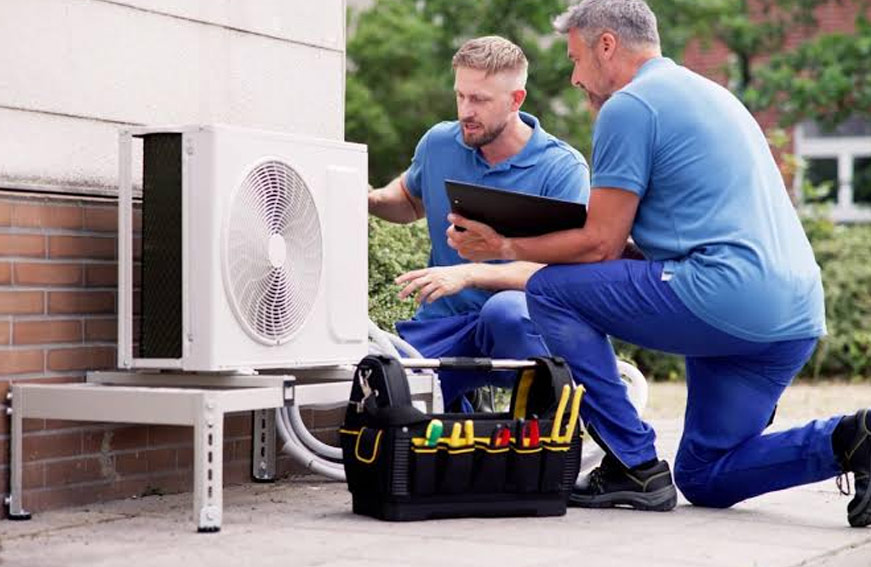
A reliable air conditioning system is an essential part of maintaining a comfortable indoor environment, especially when cooling equipment is required to operate consistently during warmer periods. Although an air conditioner may appear to be a relatively simple appliance from the outside, it actually contains numerous mechanical, electrical, refrigeration, airflow, and control components that must work together correctly to provide dependable performance. The compressor, condenser, evaporator coil, blower motor, thermostat, refrigerant lines, electrical controls, drainage system, filters, and ductwork all contribute to the cooling process, and a problem with one component can influence the performance of the entire system. Over time, normal wear, dirt accumulation, restricted airflow, electrical problems, drainage issues, improper installation, and inadequate maintenance can cause equipment performance to decline gradually. Understanding these factors can help property owners recognize potential problems earlier, arrange appropriate professional service, and make better decisions about maintenance, repairs, upgrades, and eventual equipment replacement.
Understanding How Air Conditioning Systems Provide Comfort
An air conditioning system is designed to remove heat from indoor air and transfer that heat outside while distributing cooler air throughout the property. This process requires several components to operate in a coordinated manner, and the system must maintain appropriate airflow and temperature control to deliver the expected results. When everything is functioning properly, the equipment can maintain a relatively consistent indoor temperature without excessive cycling or unusually long operating periods. However, changes in performance can occur for many reasons, including clogged filters, dirty coils, damaged electrical components, refrigerant problems, blocked drainage, failing motors, thermostat issues, or restrictions within the ductwork. Because these issues can develop gradually, property owners may not immediately realize that the equipment is beginning to experience a problem. Paying attention to changes in cooling performance is therefore an important part of responsible system maintenance.The condition of the building itself can also influence how effectively an air conditioning system operates. Insulation, windows, doors, air leakage, ductwork, ventilation, and indoor heat sources all contribute to the amount of cooling required to maintain comfortable conditions. For example, a system may be operating correctly but still struggle to maintain the desired temperature if conditioned air is escaping through poorly sealed areas or if certain rooms receive significant heat through inefficient windows. Similarly, restricted return airflow can affect how effectively the system circulates conditioned air. A professional assessment can help distinguish between equipment-related problems and building-related factors so that property owners can address the actual cause rather than repeatedly treating only the visible symptom.
Recognizing the Early Signs of Cooling Problems
Many cooling problems provide warning signs before they develop into complete system failures. One of the most noticeable signs is when an air conditioner begins taking considerably longer to reach the thermostat setting than it normally does. A system that previously cooled the property efficiently may begin running for extended periods while producing only modest temperature changes. Other warning signs can include weak airflow from vents, uneven temperatures between rooms, frequent cycling, unusual sounds, unpleasant odors, excess moisture, water around indoor equipment, or a noticeable increase in the amount of time the system operates. While these symptoms do not always indicate a serious failure, they should not automatically be ignored because they can provide useful information about changing equipment conditions.Changes in energy consumption can also provide clues about cooling performance. Energy costs naturally change depending on weather conditions, thermostat settings, occupancy, operating schedules, and utility rates, so a higher bill alone does not necessarily indicate an equipment problem. However, if increased energy consumption occurs at the same time as weaker cooling, longer operating cycles, unusual sounds, or inconsistent temperatures, professional inspection may be appropriate. A system that is struggling to maintain comfort may be operating under greater stress than necessary, and identifying the cause early can help prevent additional wear. Professional diagnosis is particularly valuable because several different problems can create similar symptoms, making it difficult to determine the actual cause through observation alone.
Common Causes of Air Conditioning Problems
Air conditioning problems can originate from a wide variety of components, and the most obvious symptom does not always reveal the source of the issue. A system with weak airflow may have a heavily loaded filter, restricted ductwork, a blower problem, or a dirty evaporator coil. A system that does not cool effectively may have an airflow problem, thermostat issue, refrigerant concern, compressor problem, or another mechanical condition. Electrical failures can involve capacitors, motors, wiring, relays, controls, or other components that influence how the equipment starts and operates. Drainage problems can also affect system performance and may result in water accumulation if condensation is not being removed properly.Because different problems can produce similar symptoms, professional diagnosis is important before deciding which component should be repaired or replaced. Replacing a part without identifying the underlying reason for the failure may provide only temporary improvement. For example, if a component repeatedly fails because another part of the system is operating under abnormal conditions, replacing the same component again may not solve the larger problem. A qualified technician can evaluate the system as a complete unit, review its operating behavior, inspect relevant components, and determine which repair or maintenance approach is most appropriate. This type of detailed evaluation can help property owners avoid unnecessary work while improving their understanding of the equipment’s condition.
The Importance of Professional AC Repair
Professional AC Repair is particularly important when a cooling system develops problems involving electrical components, mechanical parts, refrigerant circuits, controls, drainage, or other specialized equipment. Air conditioning systems contain components that require appropriate technical knowledge, diagnostic tools, and service procedures, and attempting to repair unfamiliar equipment without proper experience can create additional damage or safety concerns. Professional technicians can inspect the system, identify the source of the problem, determine which components are affected, and perform the appropriate service based on the equipment’s design. This approach is more useful than simply attempting temporary solutions because it focuses on restoring proper operation while addressing the underlying issue.Professional service becomes even more valuable when a cooling system experiences recurring problems. A property owner may initially repair a single failed component, but if the same issue returns repeatedly, there may be another condition contributing to the failure. Reviewing previous repairs and examining the system’s overall performance can help identify patterns that would otherwise be overlooked. In some cases, a relatively small repair may restore dependable operation, while in other situations repeated failures may indicate that the system is aging or experiencing broader mechanical problems. A professional evaluation provides property owners with useful information for deciding whether continued repairs or future replacement should be considered.
Maintaining Proper Airflow Throughout the Property
Airflow has a direct influence on cooling performance because conditioned air must move efficiently between the equipment and the spaces where comfort is needed. When airflow becomes restricted, the system may have to operate for longer periods while providing less effective cooling. Filters are one of the most common factors affecting airflow because they collect airborne particles as air passes through the system. If a filter becomes excessively dirty, it can restrict the amount of air moving through the equipment. However, airflow problems can also result from blocked registers, closed vents, ductwork restrictions, blower problems, dirty coils, or other equipment conditions that require professional inspection.Property owners should follow the manufacturer’s recommendations for inspecting and replacing filters, but the appropriate frequency can vary according to the property and its operating conditions. Homes or buildings with pets, high occupancy, renovation activity, or increased airborne dust may require more frequent filter attention than spaces with lower particle levels. It is also important to select filters that are appropriate for the equipment rather than automatically choosing the most restrictive option available. If airflow remains weak after basic filter maintenance and unobstructed vents have been confirmed, professional service can help determine whether a deeper equipment or ductwork problem is responsible.
Addressing Refrigerant-Related Concerns
Refrigerant is a critical part of the cooling process because it allows the air conditioning system to absorb heat from indoor air and release it outside. When the refrigerant circuit is not operating correctly, cooling performance can decline and the equipment may run longer than expected. Property owners may notice that the system is unable to maintain the desired temperature, but similar symptoms can be caused by several other problems, including airflow restrictions or mechanical failures. This is why proper diagnosis is necessary before assuming that refrigerant is responsible for poor cooling.Refrigerant-related service should be handled by qualified professionals using appropriate tools and procedures. Simply adding refrigerant without determining why the system has lost it may not provide a lasting solution if a leak or another underlying problem exists. A professional technician can evaluate the refrigeration system, identify potential concerns, and determine the appropriate service based on the equipment’s condition. Proper handling of refrigerant is important for both equipment performance and responsible system management, making professional service preferable to improvised solutions.
Electrical and Mechanical Components Require Attention
Air conditioning systems depend on several electrical and mechanical components that must work together each time the equipment operates. Motors, capacitors, relays, wiring, compressors, fans, controls, and other components can experience wear over time. When an electrical component begins to fail, the system may have difficulty starting, shut down unexpectedly, cycle irregularly, or produce unusual sounds. Mechanical problems can create similar symptoms and may involve worn moving parts, damaged components, excessive dirt, or other conditions that affect normal operation. Because these systems contain electrical connections and specialized components, professional diagnosis is important when unusual behavior occurs.Regular maintenance can help identify signs of wear before a component fails completely. A technician may discover that a part is showing signs of deterioration even though the system is still operating. Addressing the concern at an appropriate time can be more convenient than waiting for a complete breakdown during a period when cooling is needed most. In other situations, a component may already be damaged and require immediate replacement. Understanding the difference between normal wear, a developing problem, and a serious failure allows property owners to plan service more effectively.
The Role of the Thermostat in Cooling Performance
The thermostat serves as the control point for many air conditioning systems and determines when the equipment should operate based on the selected temperature. If the thermostat is malfunctioning, incorrectly configured, or positioned in an area that does not accurately represent the general indoor temperature, the cooling system may not operate as expected. A property owner may notice frequent cycling, delayed operation, or temperature differences that seem unrelated to equipment capacity. In some cases, the thermostat itself may be responsible, while in other situations it may simply be responding to another problem within the system.Modern thermostats can provide advanced scheduling, temperature management, and other control features, but these functions are most useful when the control is correctly installed and compatible with the equipment. Property owners considering a thermostat upgrade should evaluate the complete system rather than treating the control as an independent device. Professional assistance can help determine whether the existing thermostat is functioning correctly and whether a replacement or upgraded control would be appropriate for the equipment and the property’s comfort requirements.
Preventive Maintenance for Long-Term Performance
Preventive maintenance provides property owners with an opportunity to identify developing problems before they become major disruptions. During a professional maintenance appointment, technicians can evaluate system operation, inspect important components, check electrical connections, examine airflow, review drainage, clean appropriate areas, and look for signs of wear. The exact maintenance procedures depend on the equipment type and its condition, but the overall goal is to support reliable operation and identify concerns that may require attention. Regular service also provides valuable information about the equipment’s current condition and can help property owners plan future maintenance or replacement needs.Scheduling maintenance before periods of heavy cooling demand can be particularly useful because it gives technicians an opportunity to identify problems while the system is still available for normal operation. Waiting until equipment stops working during an especially demanding period can result in an inconvenient situation and may limit the amount of time available to consider repair options. Preventive service allows property owners to address known concerns more deliberately and can provide greater confidence that the system is ready for increased operating demands. Maintaining a consistent service history can also make future troubleshooting easier because technicians can review previous work and identify recurring conditions.
Improving Indoor Air Quality Alongside Cooling
Cooling equipment and indoor air quality are closely connected because the air conditioning system continually circulates indoor air. Filtration can help capture certain airborne particles, while specialized air purification equipment may provide additional support depending on the property’s specific needs. Humidity is another important consideration because excessive moisture can affect comfort and may create conditions that make indoor spaces feel warmer. Although air conditioners naturally remove some moisture during normal cooling operation, certain properties may require additional humidity management or other indoor air quality solutions.Professional evaluation can help determine which indoor air quality improvements may be appropriate for a particular property. Depending on the equipment and indoor conditions, potential solutions may include improved filtration, air purification, humidification, or other measures. These systems should be selected with consideration for airflow and equipment compatibility because adding a product without evaluating the existing system may create unintended performance issues. A complete approach considers the condition of the cooling equipment, airflow, filtration, humidity, and other relevant factors rather than treating each concern as completely separate.
Deciding Between Repair and Replacement
Not every air conditioning problem requires complete equipment replacement, and not every older system should automatically be repaired indefinitely. A newer system with an isolated component failure may be a suitable candidate for repair, while an older system with frequent breakdowns and declining performance may require a more detailed replacement evaluation. Property owners should consider equipment age, repair history, operating performance, maintenance requirements, component availability, and future reliability when making this decision. Looking at the broader condition of the equipment can provide more useful information than considering only the cost of the immediate repair.A professional evaluation can help clarify the available options. If a system has experienced repeated failures within a relatively short period, continuing to repair individual components may eventually become less practical. Conversely, replacing an otherwise reliable system because of one manageable issue may not always be necessary. The goal is to understand the equipment’s overall condition and determine which option is most appropriate for the property’s needs. Having accurate information allows property owners to plan rather than making a rushed decision during an unexpected breakdown.
Planning for Air Conditioning Replacement
When replacement becomes appropriate, careful planning can help ensure that the new equipment matches the property’s requirements. System size, building characteristics, ductwork condition, insulation, airflow, thermostat compatibility, installation requirements, and indoor air quality should all be considered before selecting new equipment. A system that is poorly matched to the property may not provide the expected level of comfort even if the equipment itself is high quality. Professional assessment can help identify the appropriate type and capacity of equipment and determine whether existing infrastructure can support the new installation.Installation quality is equally important because the performance of new equipment depends heavily on how it is installed and configured. Refrigerant lines, electrical connections, drainage, ductwork, controls, airflow, and other components must be handled according to the equipment’s requirements. A replacement project can also provide an opportunity to address existing comfort problems that may have been present with the previous system. Evaluating the complete installation rather than simply replacing the old unit with a new one can help property owners achieve more dependable long-term results.
Selecting the Right Professional Service Provider
Choosing a qualified service provider is an important part of maintaining reliable cooling equipment. Property owners should consider whether a company has experience with the equipment installed on the property and whether it provides the range of services that may be required over the system’s lifetime. A provider capable of handling cooling repair, installation, maintenance, heating systems, heat pumps, ductless equipment, and indoor air quality solutions can be useful when multiple comfort needs arise. Professional communication is also important because property owners should receive a clear explanation of the identified problem, recommended service, and relevant considerations before major work begins.Franklin Heating provides heating and cooling services that include air conditioning repair and installation, heating services, heat pump solutions, ductless mini-splits, indoor air quality solutions, and related comfort services. Property owners seeking professional ac repair can explore the company’s available services and discuss their specific equipment requirements with the service team. Working with a professional provider can help property owners understand whether their current system requires maintenance, a specific repair, a component replacement, or a more comprehensive equipment upgrade.
Developing a Long-Term Cooling Maintenance Plan
A long-term cooling plan should combine preventive maintenance, timely repairs, appropriate equipment operation, airflow management, indoor air quality considerations, and preparation for eventual replacement. Treating the cooling system as part of the property’s complete comfort infrastructure makes it easier to understand how different components influence one another. For example, replacing an aging air conditioner may improve cooling performance, but unresolved ductwork restrictions or insulation concerns could continue affecting comfort. Similarly, installing a new system without addressing recurring airflow problems may prevent the equipment from delivering its full potential. A complete strategy considers both the equipment and the conditions surrounding it.Keeping detailed records of maintenance appointments, repairs, equipment installations, recurring problems, and component replacements can also help property owners manage their cooling systems more effectively. These records provide technicians with useful information about the equipment’s history and can make recurring patterns easier to identify. If a particular component has required repeated repairs or a specific comfort issue continues after previous service, the maintenance history can help determine whether the original problem was fully resolved. Documentation can also help property owners plan future expenses and evaluate when continued maintenance may no longer be the most practical approach for an aging system.
Conclusion
Reliable air conditioning performance depends on a combination of proper installation, regular maintenance, timely professional service, appropriate airflow, sound electrical and mechanical components, effective controls, and suitable indoor air quality management. Recognizing early warning signs such as weak airflow, uneven cooling, unusual sounds, repeated cycling, increased operating times, or unexpected changes in performance can help property owners address concerns before they become major disruptions. Professional diagnosis is especially valuable because many different problems can produce similar symptoms, and treating the wrong component may not resolve the underlying issue. Whether a property requires routine maintenance, a specific ac repair, indoor air quality improvements, system upgrades, or complete equipment replacement, a professional evaluation can provide useful information for making an informed decision. Taking a proactive approach allows property owners to understand the condition of their equipment and plan necessary work instead of waiting for an unexpected failure. With appropriate maintenance, professional installation, timely service, and careful long-term planning, an air conditioning system can provide dependable comfort while supporting a healthier and more functional indoor environment throughout its service life.

