


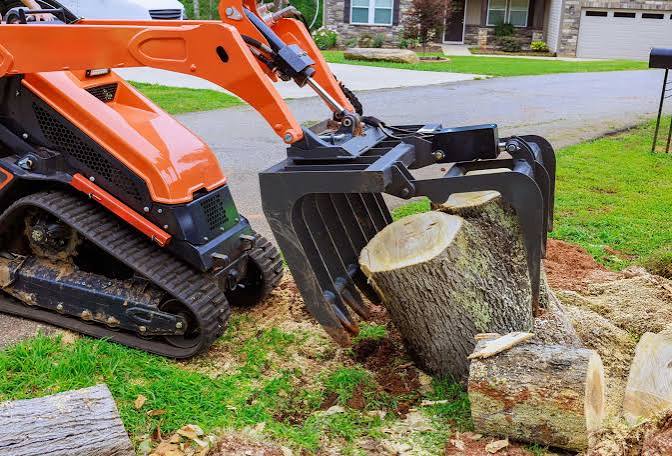
Tree removal is often necessary to address damaged trees, eliminate safety concerns, or create space for landscaping improvements, but the work does not always end when the tree is cut down. The remaining stump can continue to interfere with the appearance, accessibility, and maintenance of an outdoor area. Tree stumps may obstruct lawn equipment, create tripping hazards, attract unwanted pests under certain conditions, and make it difficult to install new plants or outdoor features. Leaving a stump untreated can also result in unwanted regrowth, depending on the tree species and the condition of the remaining roots. Professional stump grinding provides a practical solution by reducing the remaining wood below ground level and helping property owners reclaim valuable outdoor space. With the appropriate equipment and a carefully planned approach, stump removal projects can improve landscape appearance, simplify routine maintenance, and prepare the area for future improvements.
Understanding the Importance of Stump Grinding
A tree stump can become a persistent problem when it remains in an area that people regularly use or maintain. Although the tree itself may have been removed for safety or landscaping reasons, the stump can continue to occupy space and interfere with everyday activities. In lawns, it may make mowing difficult and prevent equipment from moving smoothly across the surface. In gardens and landscaped areas, it can restrict planting options and disrupt the intended layout. Stumps located near walkways, patios, driveways, or outdoor seating areas may also create obstacles that affect accessibility and increase the possibility of trips and falls. Addressing these issues helps property owners maintain a cleaner and more functional outdoor environment.Stump grinding is designed to reduce the visible stump without requiring the complete excavation of the entire root system. Specialized machinery uses a rotating cutting wheel to break the stump into small wood chips, gradually lowering it beneath the surrounding ground level. The resulting material can then be managed according to the property’s needs, while the area can be prepared for suitable landscaping or other improvements. This approach is often useful when property owners want to reclaim space while minimizing the amount of excavation required. The appropriate grinding depth depends on the stump’s size, location, accessibility, and intended future use of the area. Understanding these factors before the work begins helps establish realistic expectations and ensures that the selected approach supports the property’s long-term maintenance goals.
How Professional Stump Grinding Works
Professional stump grinding begins with an assessment of the stump and its surroundings to determine the most appropriate equipment and working method. The size and species of the tree, the hardness of the wood, the condition of the stump, and the accessibility of the area can all influence the process. Professionals also consider nearby structures, fences, garden beds, underground utilities, irrigation lines, and other landscape features that may require protection. This preliminary assessment is important because grinding involves powerful machinery and produces wood chips that can spread beyond the immediate work area. Identifying potential obstacles before starting helps establish a controlled work zone and reduces the likelihood of unnecessary disruption.Once the work area has been prepared, the grinding equipment is positioned to remove the stump in manageable sections. The cutting wheel gradually reduces the exposed wood, allowing the operator to work downward and across the stump until the required depth is achieved. Depending on the size and location of the stump, the process may take a relatively short time or require additional effort for a larger, harder, or less accessible stump. After grinding is complete, the remaining wood chips and surrounding material can be managed, and the ground can be prepared for its intended purpose. Professional operators follow appropriate equipment procedures and safety precautions because flying debris, moving machinery, and hidden obstacles can create hazards during the work. A careful process helps achieve a suitable result while protecting nearby property features.
Benefits of Removing Unwanted Tree Stumps
One of the main benefits of stump grinding is the improvement it can bring to the appearance of a landscape. A leftover stump can make a lawn or garden look unfinished, particularly when the surrounding area has otherwise been carefully maintained. Grinding the stump below the surface helps create a cleaner appearance and allows property owners to incorporate the space into their existing landscape design. The area can potentially be restored with grass, used for appropriate planting, or incorporated into another outdoor feature after suitable preparation. Removing the visible obstruction can also make routine yard maintenance easier because lawn equipment and other tools no longer need to work around the stump.Stump grinding can also improve the functionality of outdoor areas by freeing up space that would otherwise remain difficult to use. Property owners may want to expand a garden, improve access along a pathway, reorganize a lawn, or prepare a section of the yard for future landscaping. An unwanted stump can interfere with these plans, especially when it occupies a central or frequently used area. Grinding provides an opportunity to reclaim that space without necessarily excavating the full root system. However, the remaining roots may continue to occupy portions of the soil, and the ground may need additional preparation before construction or extensive planting can begin. Discussing the intended use of the area with a professional helps determine the appropriate grinding depth and any follow-up work that may be required.
Preparing the Landscape for Future Improvements
Removing a stump is often one stage of a larger landscaping project rather than an isolated maintenance task. Property owners may plan to reseed a lawn, establish a flower bed, install new shrubs, improve outdoor access, or reorganize the layout of a garden after a tree has been removed. Stump grinding can help prepare the area for these improvements by removing the most visible and obstructive portion of the remaining wood. However, the ground should be evaluated before new landscaping begins because wood chips, decomposing roots, and changes in soil structure can affect how the area settles and supports new growth.For lawn restoration, the ground may require additional soil, grading, and preparation before grass seed or sod is installed. If the area will be used for planting, the remaining roots and soil conditions should be considered when choosing the location and type of vegetation. Large shrubs and newly planted trees may require more substantial preparation than a simple lawn repair. Property owners should also recognize that the decomposition of buried roots can create gradual changes in the soil over time. Planning the next stage of landscaping before grinding begins helps ensure that the work is completed to a suitable depth and that the restored area meets its intended purpose. Coordinating stump grinding with other outdoor maintenance services can make the overall project more organized and efficient.
Managing Wood Chips and Remaining Debris
Stump grinding produces wood chips and a mixture of small pieces of bark, roots, and soil that accumulate around the work area. Managing this material is an important part of completing the project because the resulting pile may cover a relatively large space, depending on the size of the original stump. Some property owners prefer to retain suitable wood chips for use as mulch in appropriate landscaping areas, while others may want the material removed to prepare the ground for grass or new planting. The best option depends on the amount of material produced, the intended use of the area, and the property’s overall landscaping requirements.When wood chips are retained, they should be used thoughtfully and kept away from direct contact with tree trunks, plant stems, and other areas where excessive moisture retention could create problems. If the goal is to establish a lawn, the grinding debris may need to be removed or redistributed before adding suitable topsoil and preparing the surface. Property owners should also discuss whether the quoted service includes debris removal, because grinding and hauling are not always included together in every project estimate. Clarifying the cleanup arrangements beforehand helps prevent misunderstandings and ensures that the final condition of the work area matches expectations. Proper debris management makes it easier to transition from stump removal to the next stage of outdoor maintenance.
Why Professional Equipment and Experience Matter
Stump grinding requires specialized machinery, practical experience, and an understanding of the conditions that can affect safe operation. Although a stump may appear simple to remove, its size, wood density, root structure, and position can make the process more complicated than expected. Stumps located close to buildings, fences, retaining walls, walkways, or underground utilities require particular care because careless operation can damage surrounding features. Uneven ground and restricted access may also affect equipment positioning and the way the work can be completed. Professional assessment helps determine whether the equipment can reach the stump safely and what precautions may be necessary before grinding begins.Attempting to remove a large stump without appropriate machinery or training can lead to unnecessary effort, property damage, or personal injury. Grinding equipment contains powerful moving components, and the process can propel wood fragments and other debris away from the cutting area. Hidden stones, metal objects, irrigation lines, and other obstacles may also create complications if they are not identified before work starts. Qualified professionals understand the importance of assessing these conditions, establishing suitable working boundaries, and using equipment according to appropriate safety procedures. Their experience can also help property owners understand the limitations of stump grinding, including the fact that the entire underground root system is not normally removed through this process. Choosing a suitable provider helps ensure that the work is planned according to the property’s actual requirements.
Choosing a Reliable Tree Care Provider
Selecting an experienced provider is an important step when planning stump grinding because the quality of the assessment and the suitability of the equipment can influence the overall result. Property owners should look for professionals who can explain the grinding process, evaluate access limitations, and identify any concerns involving nearby structures or underground features. It is also useful to ask about insurance coverage, equipment capabilities, cleanup arrangements, and the expected condition of the ground after the work is finished. These details help property owners understand what the service includes and whether additional preparation will be necessary to restore the area.A clear estimate should describe the stump or stumps being addressed, the expected grinding depth, and any additional work included in the price. Factors such as stump diameter, wood hardness, accessibility, root flare, and the number of stumps can influence the amount of work involved. If a property owner intends to install grass, create a garden, or undertake another improvement, that objective should be explained before the project begins. This information allows the provider to recommend a suitable approach and helps avoid situations in which the stump is ground only to a depth that is insufficient for the planned landscaping. Clear communication, realistic expectations, and an agreed scope of work contribute to a more organized project and a better understanding of the finished result.
Maintaining a Clean and Functional Outdoor Environment
Stump grinding can be an important part of a broader property maintenance strategy because it helps remove obstacles that interfere with the care and use of outdoor spaces. When combined with appropriate tree trimming, tree removal, vegetation management, and landscape restoration, the service can help property owners maintain a more organized environment. Removing an unwanted stump can simplify lawn mowing, create more flexibility for landscaping, and improve access around areas that are frequently used. These benefits can be particularly valuable when the stump is located in a prominent part of the property or occupies space needed for a planned improvement.A thoughtful maintenance approach also considers the condition of nearby trees and vegetation after the stump has been addressed. If the original tree was removed because of disease, structural damage, or another serious concern, property owners may benefit from evaluating surrounding trees for similar issues where appropriate. The condition of the soil, drainage, and nearby plants should also be considered before establishing new landscaping. Keeping track of completed work and planning follow-up improvements can help property owners avoid repeated maintenance problems and use their outdoor areas more effectively. Rather than viewing stump grinding as simply removing a piece of wood, treating it as part of the property’s overall landscape plan can lead to a more practical and lasting result.
Conclusion
Tree stumps can affect the appearance, safety, and usability of outdoor spaces long after a tree has been removed. They may interfere with mowing, restrict landscaping options, create obstacles along walkways, and prevent property owners from making full use of available ground. Professional stump grinding offers a practical solution by reducing the remaining stump below the surface and preparing the area for suitable follow-up work. With proper planning, equipment, and debris management, the process can help restore a cleaner landscape while minimizing unnecessary excavation around the remaining root system.Property owners considering stump removal should evaluate the stump’s size, location, surrounding features, and intended future use of the area before choosing a service. A qualified stump grinding provider can help determine the appropriate approach, explain the work involved, and identify any additional preparation needed for landscaping or lawn restoration. Whether the goal is to improve the appearance of a yard, remove an obstacle, or prepare space for future improvements, professional attention can make the project more manageable. By addressing unwanted stumps and planning the next stage of outdoor maintenance carefully, property owners can create cleaner, more functional spaces that are easier to maintain and better suited to their long-term needs.

